
My Way of Getting My Body Back After Having Kids

When people talk about getting your body back after having children, the phrase often feels rushed and slightly harsh.
I never liked that tone, yet I understand the feeling behind it.
After each pregnancy, I looked in the mirror and saw a body that felt unfamiliar. My core felt softer, my hips wider, my energy different, and my metabolism slower than it had been in my twenties.
I did return to yoga gradually, but what made the most consistent difference was not an intense workout routine. It was the way I chose to eat and recover in the months after giving birth.
I want to share this carefully, because I do not believe in strict diets, nor do I believe in punishing the body after it has done something extraordinary.
Breastfeeding as Part of Recovery
One of the most powerful factors in my postpartum recovery was breastfeeding.
I breastfed all three of my children, and although every woman’s experience is different, I personally noticed significant benefits.
Breastfeeding increases the body’s caloric expenditure by approximately 400 to 500 calories per day, depending on frequency and milk production.
That additional energy demand supports gradual fat loss without extreme restriction.

Beyond calorie burn, breastfeeding stimulates oxytocin release, which helps the uterus contract and return to its pre-pregnancy size more efficiently.
For me, breastfeeding also regulated my appetite in a healthy way.
I felt hungrier, but it was a deep, physical hunger rather than emotional snacking. I responded by eating balanced meals instead of restricting.
Why I Avoided Strict Dieting
After Emma was born, I briefly considered reducing calories aggressively because I felt impatient.
Within a few days, my energy dipped noticeably. I felt lightheaded during simple movements, and my milk supply seemed slightly affected.
That experience taught me quickly that strict dieting was not compatible with postpartum healing.
Instead of reducing food volume drastically, I focused on quality and timing.
I aimed for three balanced meals per day with one or two small snacks, especially during breastfeeding months.
Each meal included protein, fiber, and healthy fats. This combination stabilized blood sugar and prevented the intense afternoon crashes that often trigger overeating later.
My Typical Postpartum Eating Structure
During the first year after each pregnancy, my eating schedule looked something like this:
Breakfast around 7:30 a.m.
Lunch around 12:00 p.m.
Snack around 3:30 p.m.
Dinner around 6:00 p.m.
Breakfast was almost always centered around eggs.
Why Eggs Became a Foundation
Eggs became one of my most consistent postpartum foods because of their nutritional density.
One large egg contains approximately 6 grams of high-quality protein, along with choline, vitamin D, B12, selenium, and healthy fats.
Choline is especially important for both brain health and liver function, and many women do not consume enough of it.
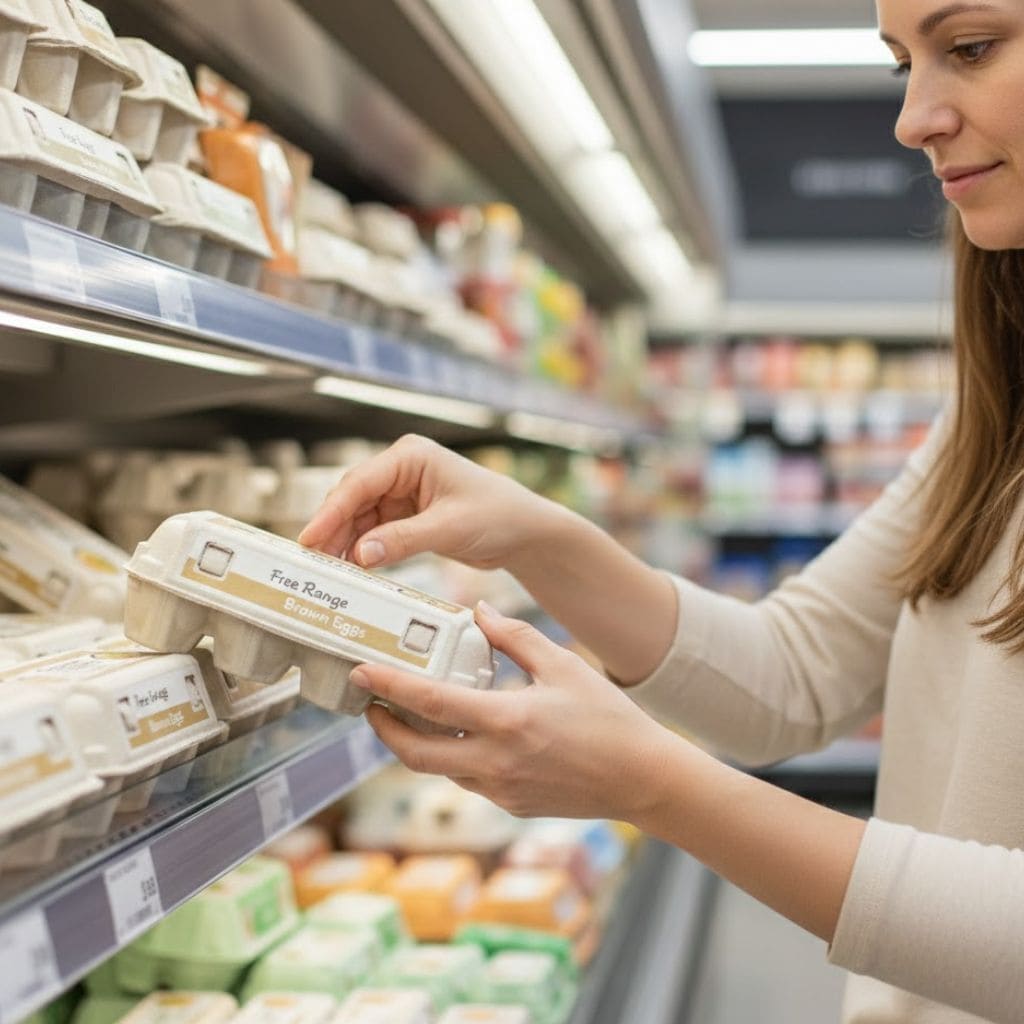
However, not all eggs are nutritionally identical.
When shopping at Whole Foods in Clark, New Jersey, or occasionally at ShopRite in Union, I pay attention to labels carefully. I choose pasture-raised eggs whenever possible rather than conventional caged eggs.
Pasture-raised hens have access to outdoor space and forage naturally, which often results in eggs with higher omega-3 fatty acid content and slightly higher vitamin D levels.
The yolk color is noticeably deeper, almost orange instead of pale yellow, which indicates a richer nutrient profile due to the hen’s varied diet.
I avoid egg whites only products because the yolk contains most of the nutrients. After childbirth, especially while breastfeeding, I believe in using the whole egg.
My typical breakfast during recovery included two whole eggs scrambled gently in olive oil with spinach and mushrooms, served alongside a slice of whole-grain sourdough or steel-cut oats.
That combination provided approximately 18 to 20 grams of protein, fiber, and slow-digesting carbohydrates, which kept me satisfied until lunch.
Balanced Lunch and Dinner
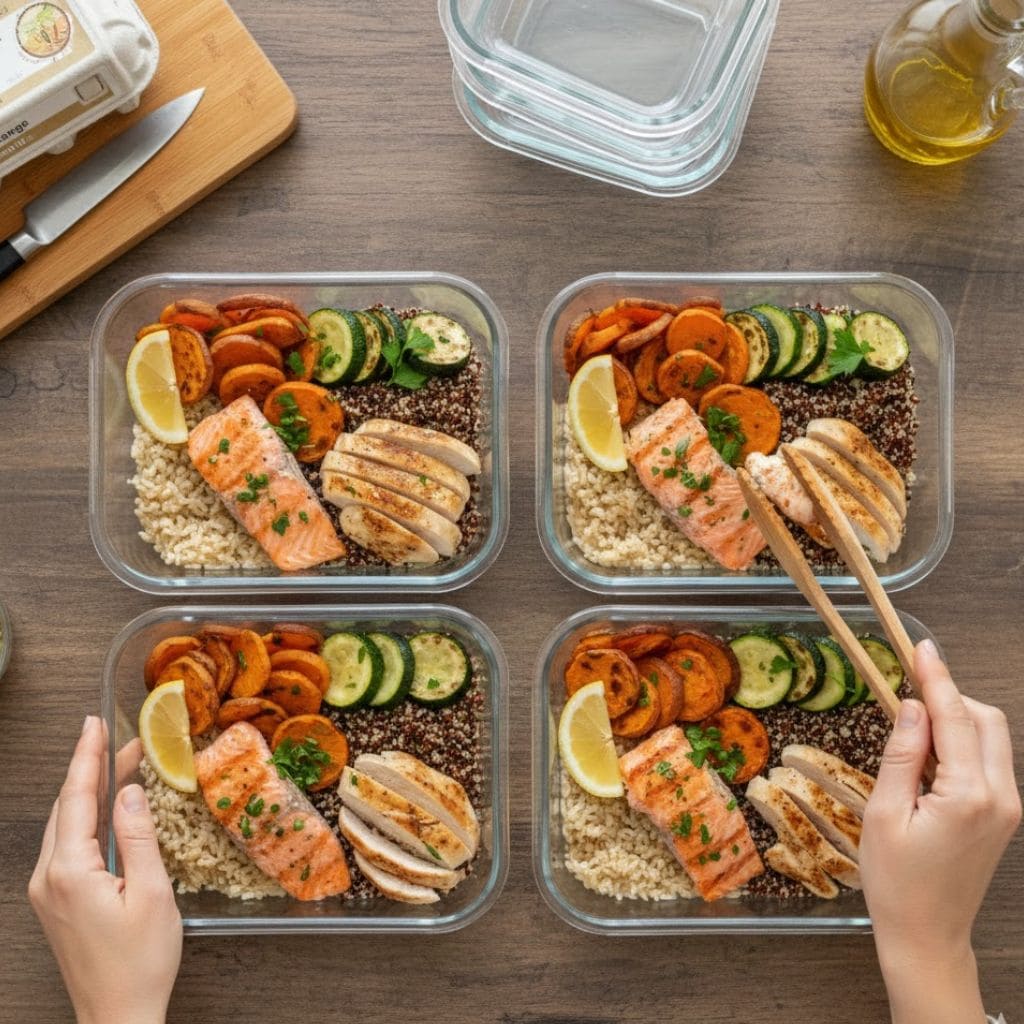
For lunch, I often prepared bowls that included brown rice or quinoa, roasted vegetables such as zucchini or sweet potatoes, and a protein source like grilled chicken, salmon, or lentils.
Whole grains were important because they provided sustained energy and fiber, which helped regulate digestion after pregnancy.
Postpartum hormones can slow digestion temporarily, and fiber from vegetables and whole grains supports smoother recovery.
Dinner was similar in structure. I avoided overly processed foods, but I did not eliminate entire food groups.
If I wanted pasta, I chose whole wheat or legume-based options and paired them with vegetables and protein.
Healthy Fats and Recovery
Healthy fats played a large role in my postpartum diet. Avocados, olive oil, walnuts, and fatty fish such as salmon supported hormone regulation and reduced inflammation.
After pregnancy, the body is healing at a cellular level. Adequate fat intake supports that healing.
What I Avoided
I did not eliminate sugar entirely, but I reduced refined sugars significantly. Excess sugar can cause blood sugar spikes followed by crashes, which contribute to fatigue and cravings.
Instead, I satisfied sweet cravings with fruit paired with protein, such as apple slices with almond butter or Greek yogurt with berries.
I also avoided skipping meals. Undereating during the day often led to overeating at night, which disrupted sleep and digestion.
After Emma, it took approximately eight months before I felt physically strong again.
After Claire, about six months. After Jack, closer to nine months because I was managing three children and sleeping less consistently.
What I Learned
Getting my body back was not about returning to a previous size or number on a scale. It was about rebuilding strength, restoring energy, and nourishing recovery without punishment.
Breastfeeding supported natural calorie expenditure.
Balanced meals stabilized blood sugar. Pasture-raised eggs provided nutrient density that supported healing. Whole grains and vegetables kept digestion regular and energy steady.
Most importantly, patience allowed the process to unfold without pressure.