I Don’t Teach My Kids to Obey Blindly
There is a sentence I hear often in parenting conversations: “Children should learn to obey.” I agree with it, but only partly. Respect matters. Listening matters. Safety matters deeply.
However, I do not teach my children to obey blindly, and this distinction has become more important to me as they grow older.
Obedience without thinking may create quiet children, but it does not always create confident, discerning adults.
What I want for my children is not automatic compliance. I want thoughtful cooperation, respectful questioning, and the ability to recognize when something feels wrong.
The moment that clarified this belief for me happened last spring, and it involved Claire.
The Afternoon That Changed My Perspective
It was a Thursday afternoon around 4 p.m., and Claire had just come home from school. She placed her backpack near the entrance bench and walked into the kitchen unusually quiet.
Normally she talks immediately, describing who sat next to her at lunch or what happened during art class. That day, she hesitated.
While I was slicing cucumbers for dinner, she said carefully, “Mom, can I tell you something?”
I wiped my hands and gave her my full attention.

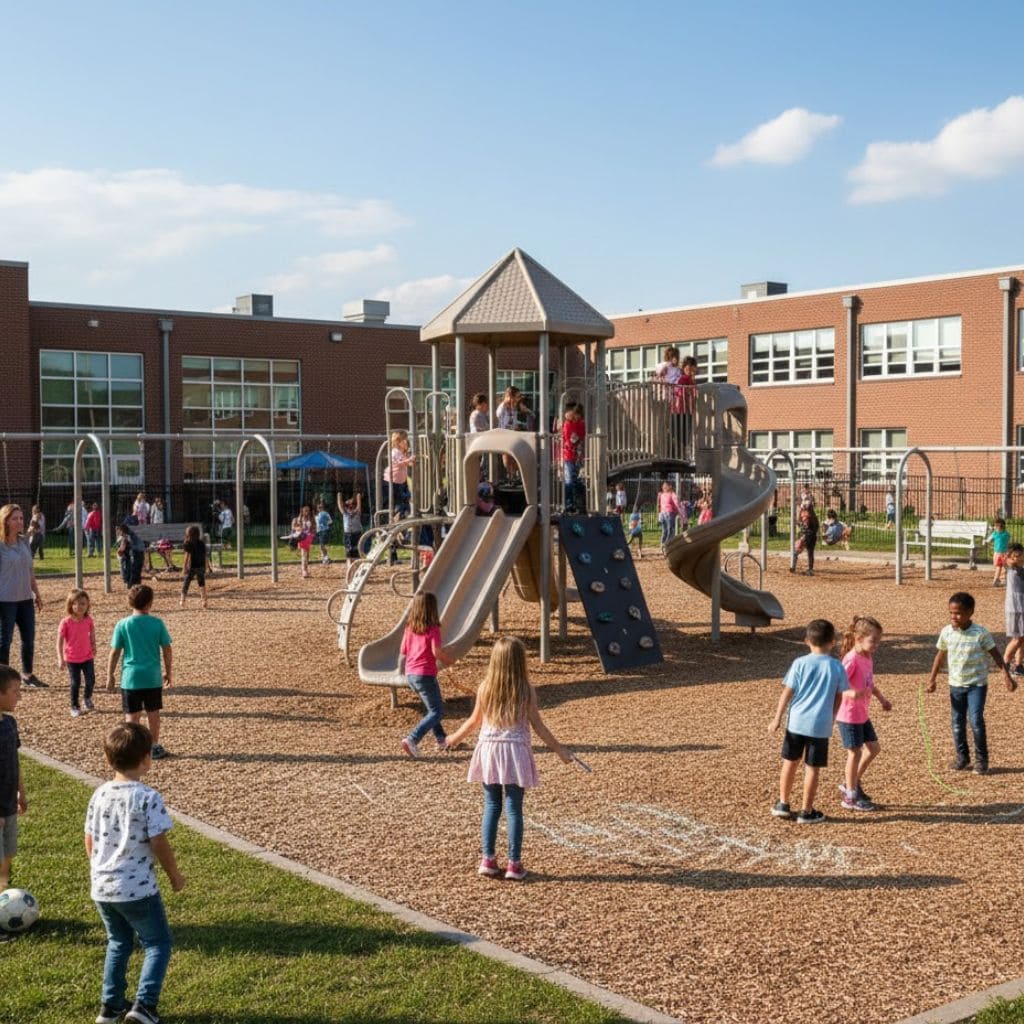
She explained that during recess, an older student from another class had told her and two other girls to move away from a particular area of the playground because only big kids were allowed there.
The tone had not been kind. It had been commanding.
Claire said she felt uncomfortable but did not move right away. Instead, she asked the girl why they needed to leave. The older student responded by saying, “Because I said so.”
Claire told me she did not argue, but she also did not immediately obey. She walked over to the recess monitor and asked if there was a rule about that section of the playground.
The monitor told her there was no such rule and thanked her for checking instead of fighting.
When Claire finished telling me the story, she looked slightly worried and asked, “Was I wrong to question her?”
Honestly, I felt something steady and proud.
Why This Mattered to Me
Claire did not disobey in a rebellious way. She did not escalate the situation. She did not shout back. Instead, she paused, questioned respectfully, and sought clarification from an appropriate adult.
If I had taught her that obedience always means immediate compliance, she might have moved away silently, even if the instruction was unfair.
Teaching children to obey blindly can make them vulnerable in subtle ways. They may follow peer pressure more easily.
They may hesitate to speak up when something feels wrong. They may suppress instincts that are actually protective.
I want my children to understand authority, but I also want them to understand integrity.
The Conversation We Had That Night
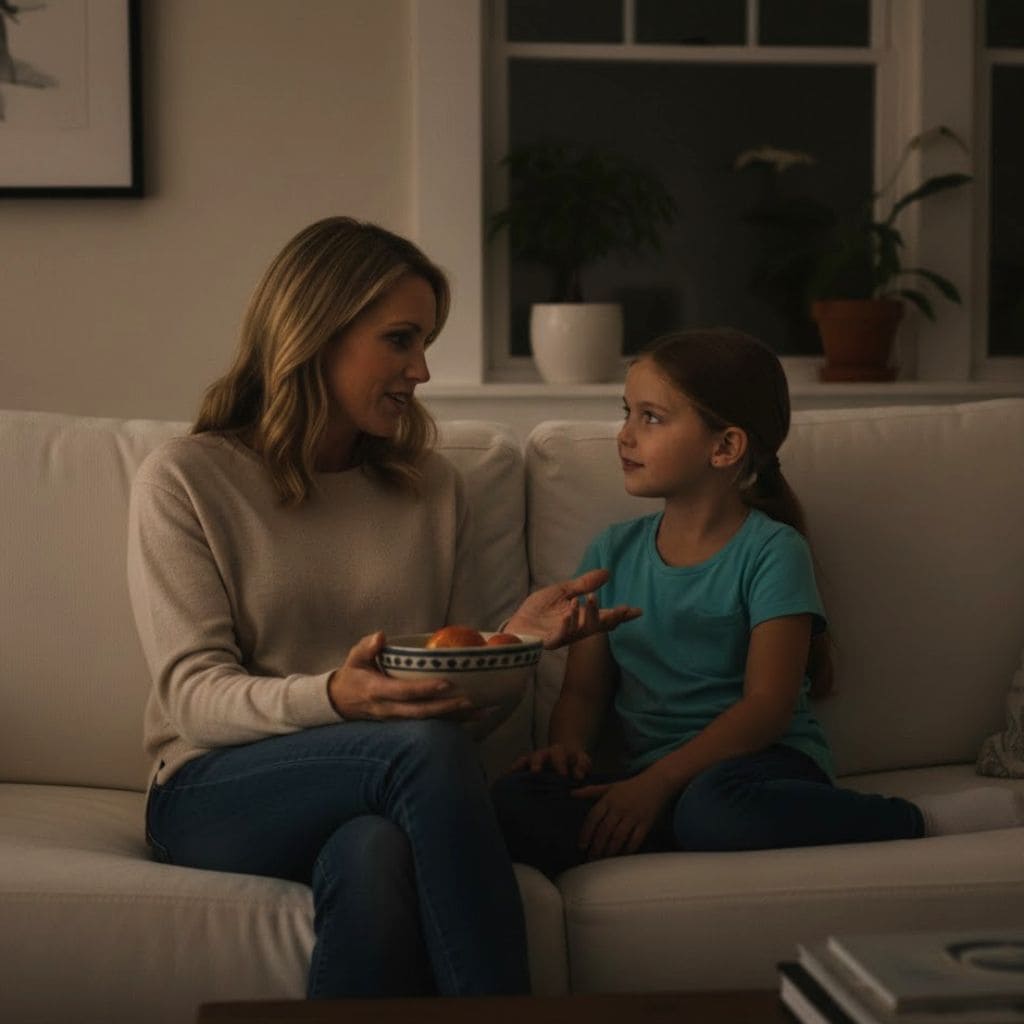
That evening, after dinner, I sat with Claire on the couch and asked her what she felt in that moment at recess.
She said, “I felt confused because she wasn’t a teacher.”
I told her that confusion is important. It is a signal that something needs clarification.
We talked about the difference between safe authority and social dominance. Teachers, parents, and trusted adults have authority rooted in responsibility.
Older kids do not automatically gain that authority simply by age. I explained that respectful questioning is not disrespectful, it is thinking.
Claire nodded quietly and said, “I didn’t want to be mean. I just wanted to know if it was true.”
The Benefits of Not Teaching Blind Obedience
When children learn to think alongside listening, several important qualities develop.
First, they build discernment. They learn to differentiate between instructions that protect them and commands that control them.
Second, they develop internal confidence. Instead of relying solely on external direction, they practice evaluating situations independently.
Third, they become better communicators. Claire did not shout or argue. She asked calmly and then sought clarification from a trusted adult. That is a skill that will serve her far beyond elementary school.
Fourth, they feel safer sharing experiences with us.
If I demanded automatic obedience in every situation, Claire might have feared that I would scold her for not immediately moving. Instead, she came home and told me openly.
How I Teach This Balance at Home
When I tell Jack not to touch a hot stove, I expect immediate obedience because safety is involved. When I ask Emma to complete homework before watching television, I expect cooperation because responsibility matters.
However, when they ask “Why?” about a rule, I answer. I explain the reasoning behind expectations whenever possible.
If Claire disagrees respectfully with a household rule, we discuss it. She does not always get her way, but she learns that conversation is allowed.
Blind obedience may produce quick compliance, but thoughtful obedience builds maturity.
The Long-Term Vision
As mothers, we often want our children to be well-behaved. I do too. But more than that, I want them to be thoughtful adults who can navigate complex environments.
One day, they will face situations far beyond my supervision such as social pressure, workplace dynamics, and moral decisions.
If they have only practiced automatic obedience, they may struggle to advocate for themselves.
And when Claire asked me that evening if she had done something wrong, I told her gently, “You listened, you thought, and you stayed respectful. That is exactly what I want you to do.”
Watching her shoulders relax in that moment confirmed that the lesson was landing, not just for her, but for me as well.