
How I Handle Client Cancellations Without Taking It Personally
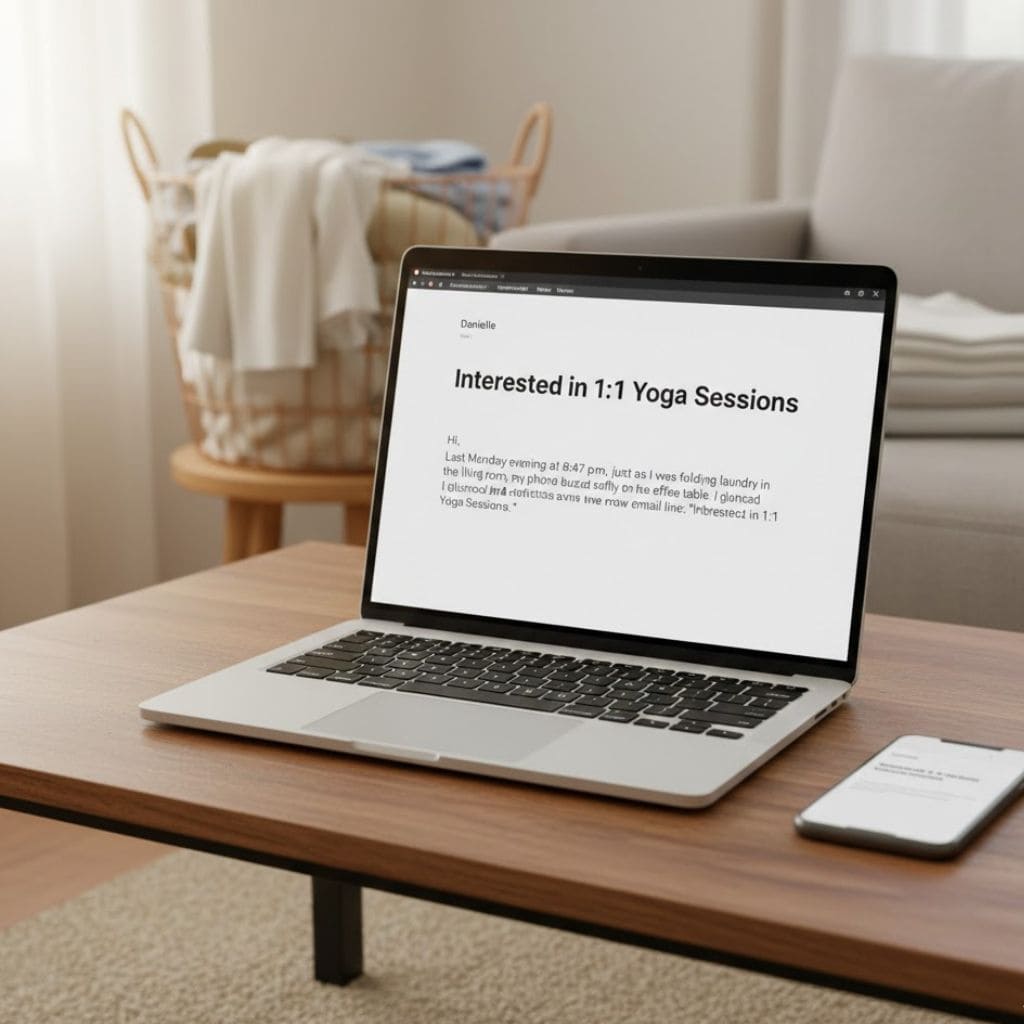
Last Monday evening at 8:47 p.m., just as I was folding laundry in the living room, my phone buzzed softly on the coffee table.
I glanced at the notification and saw a new email with the subject line: “Interested in 1:1 Yoga Sessions.” The message was from a woman named Danielle.
She wrote that she had been dealing with lower back stiffness from long work hours and had been looking for a personalized yoga approach rather than joining a large studio.
She asked if we could schedule a short online meeting to talk through my program and see if it would be a good fit.
I replied within fifteen minutes, suggesting 10:00 a.m. the following morning, Tuesday, since that is one of my open consultation slots between regular teaching sessions.
She confirmed at 9:12 p.m. with a brief but polite message: “10 a.m. works perfectly. Looking forward to speaking with you.”
I closed my laptop that night feeling steady. Consultations are not guaranteed clients, but they are always an opportunity.
The Morning of the Meeting

Tuesday mornings in our house begin early. By 6:30 a.m., the kitchen is already active.
Ema prefers oatmeal with berries. Claire wants toast with peanut butter and honey. Jack negotiates over cereal choices as if we are discussing a major policy decision.
By 8:15 a.m., backpacks are zipped and shoes are located, and by 8:30 a.m., I am driving them to school.
I returned home at 9:05 a.m., made myself a cup of green tea, and reviewed my notes for the consultation.
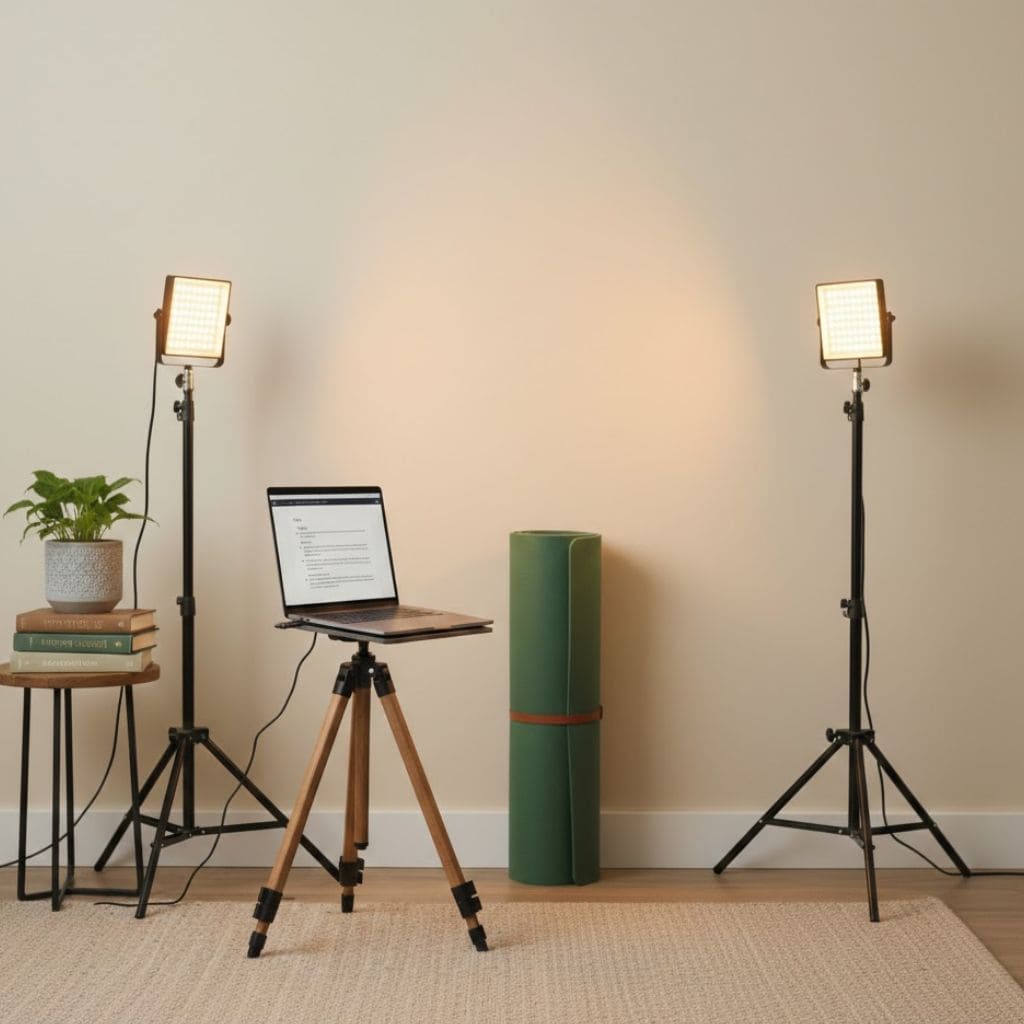
I always prepare lightly for these calls. I re-read the client’s email, outline a few questions about goals and limitations, and ensure my space is clear.
My mat is rolled neatly behind me, the light is adjusted to avoid shadows, and my laptop is positioned at eye level.
At 9:55 a.m., I logged into Zoom. At 10:00 a.m., I smiled at the screen and waited.
At 10:03 a.m., I refreshed the page, assuming perhaps there was a connection delay. At 10:07 a.m., I checked my inbox to see if there had been a last-minute cancellation.
There was nothing. At 10:12 a.m., the quiet felt heavier.
This was not the first time this had happened. In fact, in the early years of teaching independently, it happened often enough that it used to unsettle me deeply.
How I Used to React
If this had happened four or five years ago, I would have taken it personally. I would have replayed the email in my head, wondering if my response sounded too formal or too casual.
I would have questioned whether my pricing was too high, my website too simple, my introduction too brief.
Sometimes I would even feel anger rise, not because of the lost income, but because of the perceived disrespect of my time.
I remember one specific no-show years ago when I shut my laptop sharply and spent the rest of the morning irritated, snapping at small inconveniences. Back then, cancellations felt like rejection.
What Changed
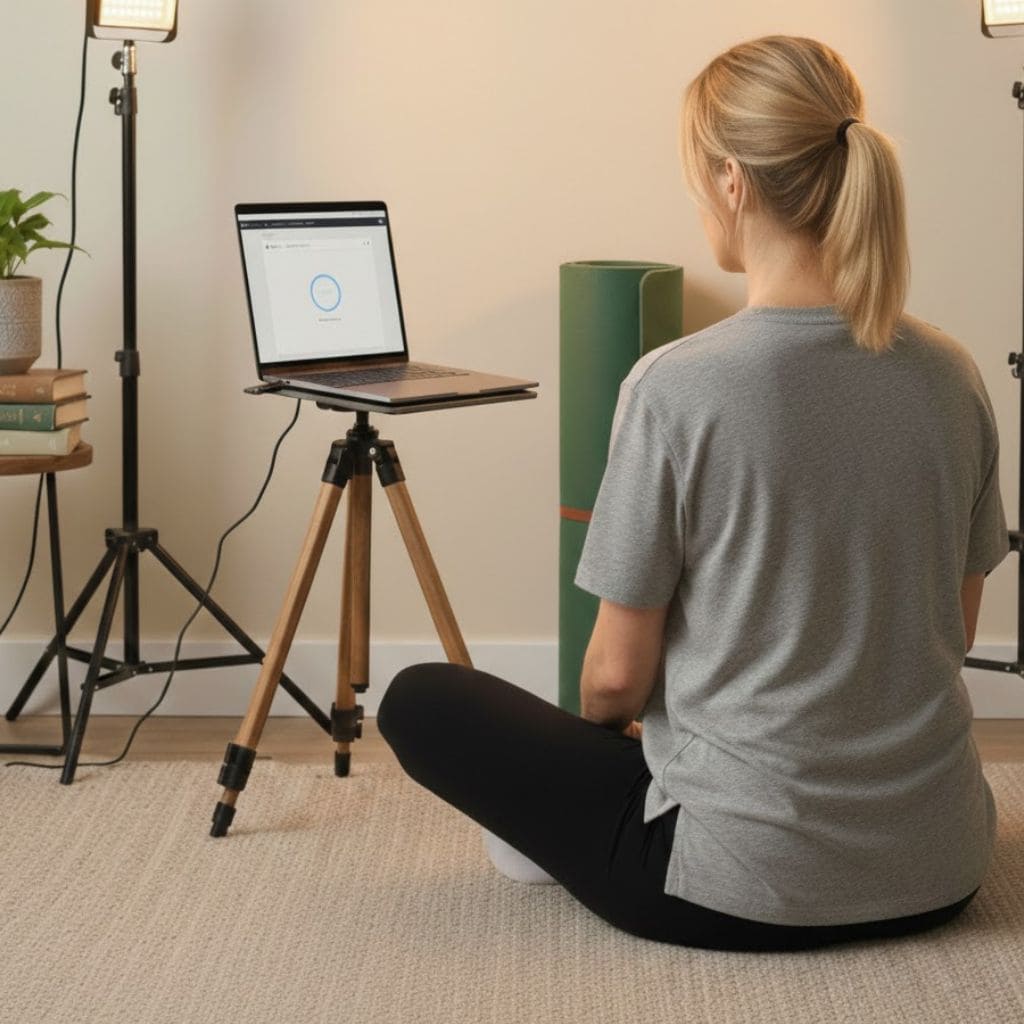
Last Tuesday, as I sat in front of an empty Zoom screen, I noticed that I did not feel anger. Instead, I felt a brief disappointment, followed by perspective.
I closed the meeting at 10:15 a.m. and wrote a short, calm follow-up email:
“Hi Danielle, I hope everything is okay. I was on the call at 10 this morning and just wanted to check in. Please feel free to reschedule if something comes up.”
Then I closed my laptop. That was it.
I reminded myself that adults have complicated lives. Emergencies happen, work calls run long, children get sick, or sometimes people simply forget.
How I Protect My Energy

Over the years, I have built small systems to protect both my time and my emotional energy.
For paid sessions, I have a clear 24-hour cancellation policy.
For free consultations, I treat them as opportunities, not guarantees. I block the time intentionally, but I also understand that the client has not yet committed.
When I schedule a consultation, I prepare fully. But I also mentally release the outcome. I focus on being ready rather than on expecting certainty.
Last Tuesday at 10:20 a.m., instead of feeling frustrated, I used the unexpected opening to refine the flow sequence for my 11:00 a.m. returning client. I stretched quietly for ten minutes and adjusted a few transitions in the plan.
By 10:55 a.m., I was centered again.
The Emotional Growth Behind It
When I first began teaching independently, every inquiry felt like validation. Every cancellation felt like doubt.
Now, I understand that a client’s absence does not measure my value.
I also think motherhood has shaped this perspective. Raising three children has taught me that most behavior is not about me. People operate from their own pressures, stress, and distractions.
Perhaps Danielle’s morning was chaotic. Perhaps she simply forgot. Perhaps she will email next week to reschedule. Perhaps she will not.
Either outcome is manageable.
The Bigger Lesson
Working from home as a mother means that professional and personal emotions share the same space.
If I allow a cancellation to upset me deeply, that mood enters the kitchen at lunch and the car during school pickup.
I no longer want my work fluctuations to spill over unnecessarily. Instead, I approach these moments with steadiness. I prepared well, I followed up politely, and I moved forward.
Ironically, the more I release attachment to each inquiry, the more stable my work feels overall.
Later that afternoon, at 3:30 p.m., I was back in the school pickup line. Jack ran toward the car holding a drawing he had made. Claire talked rapidly about a class project. Emma mentioned a quiz she felt unsure about.
At that moment, the 10:00 a.m. no-show felt small.
Mom jobs are not easy. Running your own schedule, managing income, and balancing emotional resilience require maturity that develops slowly. I have made mistakes in the past by taking things too personally.