How I Get Enough Vitamin D During New Jersey Winters
Living in New Jersey has taught me that seasons are not gentle transitions.
Summers are humid and bright, autumn turns golden and crisp, and winter arrives with a quiet heaviness that settles into both the sky and the body.
By late November, the daylight shortens noticeably. Sunset creeps earlier each week until, by December, it feels dark before dinner.
The sun sits lower in the sky, and even on clear days its warmth feels distant. Many mornings begin below freezing, with thin frost lining the grass and a pale gray sky stretching overhead.
As a yoga instructor and a mother of three, I have learned that winter in New Jersey is not just a change in temperature, it is a shift in energy.
I noticed it in myself first. My motivation dips slightly. My mood feels heavier. My body craves warmth and rest.
Why Vitamin D Matters More Than We Realize
Vitamin D acts more like a hormone inside the body, influencing immune function, bone health, mood regulation, and even muscle strength.
When sunlight hits our skin, specifically ultraviolet B (UVB) rays, it triggers a chemical reaction that helps our body produce vitamin D naturally.
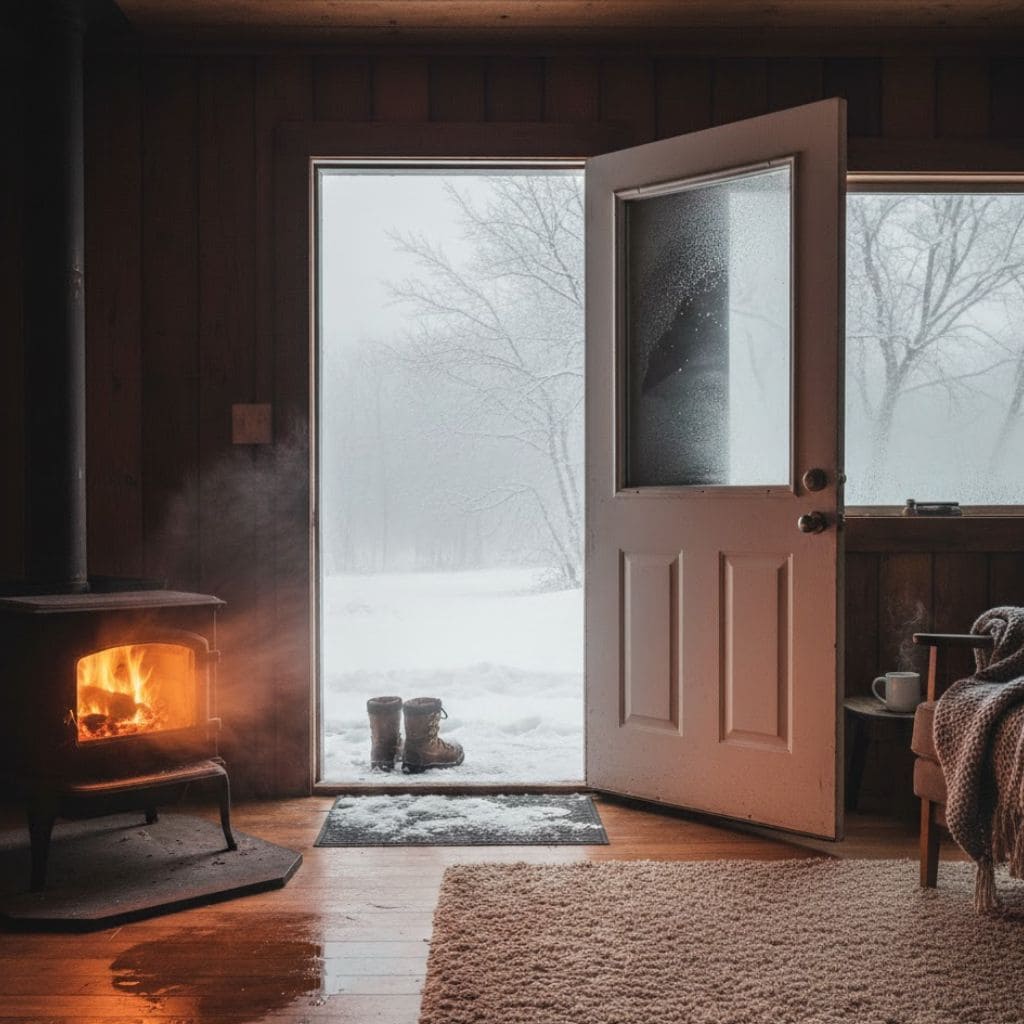
The challenge in New Jersey winters is simple but significant.
From roughly November through March, the sun’s angle is too low for adequate UVB exposure to stimulate meaningful vitamin D production in the skin, especially during peak cold months when we are bundled in coats, scarves, gloves, and hats.
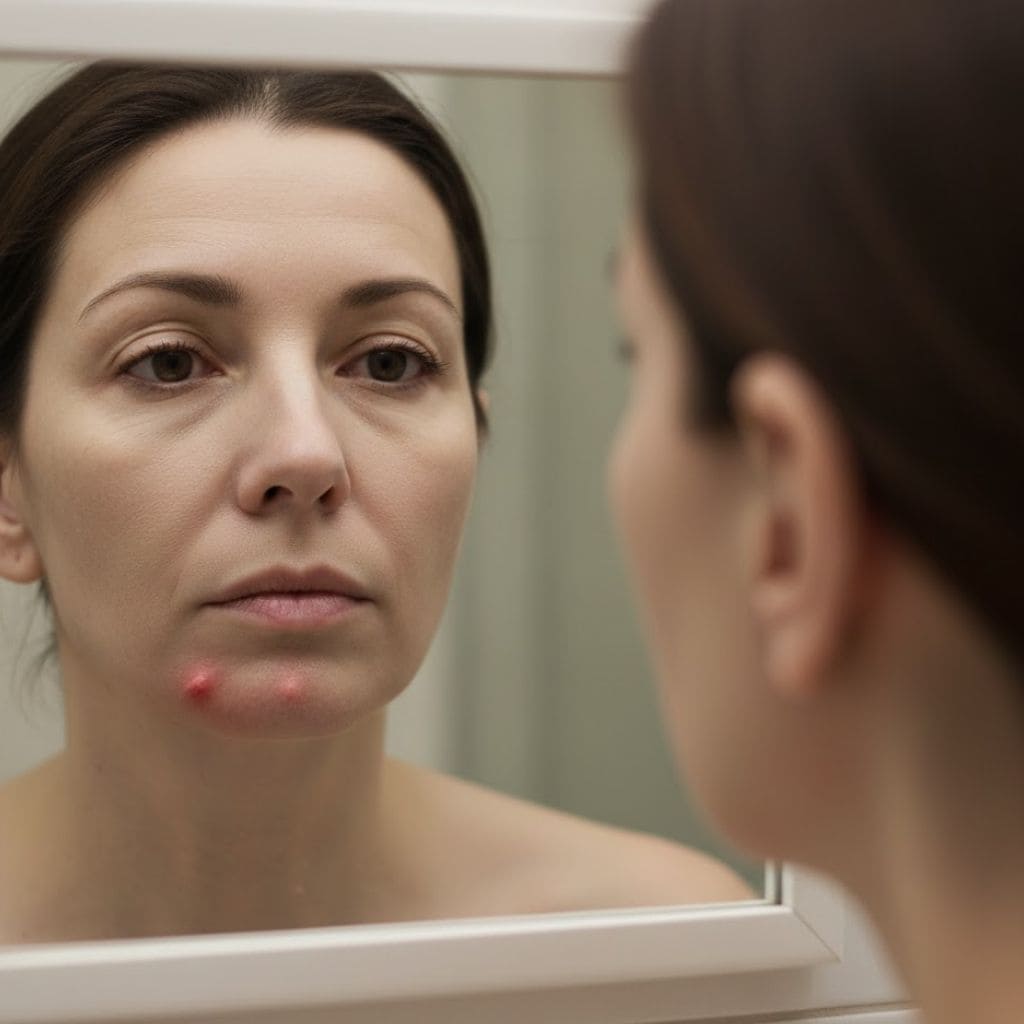
Without enough vitamin D, the body can feel the effects slowly. Fatigue becomes more noticeable.
Mood shifts can lean toward irritability or low energy. Muscles may feel weaker or more achy. Immunity can dip, leading to more frequent colds.
In children, adequate vitamin D supports bone development and overall immune health, which matters deeply to me as a mother.
Because I prefer natural approaches whenever possible, I focus intentionally on what we can control during winter.
Making the Most of Sunny Days
Even in winter, New Jersey surprises us with bright blue days after snowfall or during cold but sunny stretches in January. I have learned to treat those days as opportunities.
If the temperature is manageable and the sky is clear, I encourage the children to go outside between 11:00 a.m. and 2:00 p.m., when sunlight is strongest. Even twenty to thirty minutes of outdoor play matters.
On weekends, we walk around our neighborhood or visit a nearby park like Echo Lake Park in Mountainside, where open areas allow sunlight to reach us more directly.

Of course, in winter we are layered in clothing, which limits skin exposure, but I still believe outdoor light plays an important role in regulating circadian rhythms and supporting mood.
Exposure to natural daylight, even if limited in vitamin D production, helps signal to the brain that it is daytime, supporting better sleep later.
On milder days above 40 degrees Fahrenheit, if there is little wind, I sometimes encourage short periods with sleeves pushed up briefly while we are in the backyard, just enough to let sunlight reach our forearms for a few minutes.
Food as a Natural Source

Because winter sun exposure is limited, I also pay close attention to dietary sources of vitamin D.
One of the simplest ways I incorporate it into our meals is through egg yolks. Many people avoid yolks, but they are one of the few naturally occurring food sources of vitamin D.
I buy pasture-raised eggs when possible, often from Whole Foods in Clark, NJ, because hens exposed to more sunlight tend to produce eggs with slightly higher vitamin D content.
On winter mornings, I make soft scrambled eggs or bake small egg muffins with spinach and cheese. The yolk remains central in our meals, not removed.
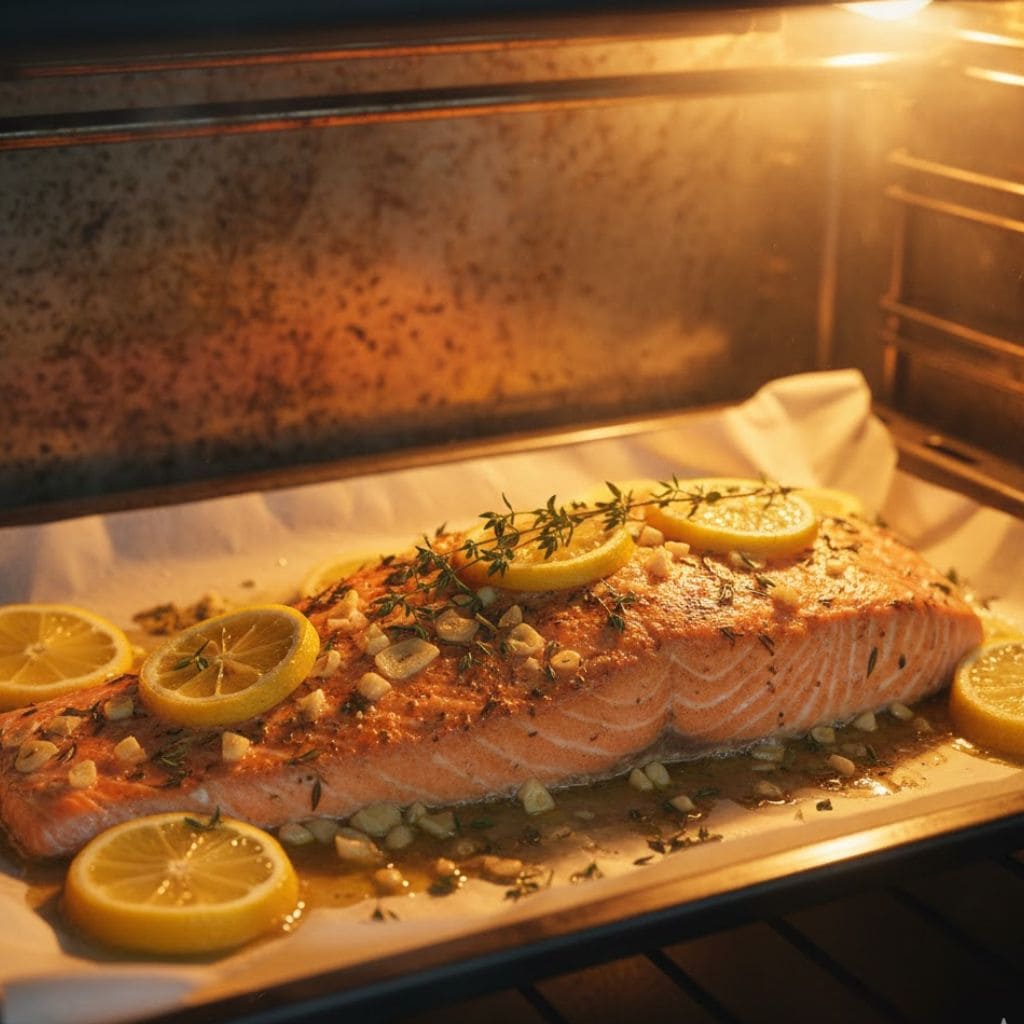
Fatty fish is another reliable natural source. Salmon, mackerel, sardines, and tuna contain vitamin D along with omega-3 fatty acids, which support heart and brain health.
At least twice a week, I prepare baked salmon with olive oil, garlic, and lemon, or I mix canned wild-caught tuna with a little Greek yogurt and Dijon mustard for sandwiches.
One of the children’s favorite dinners during colder months is roasted salmon with sweet potatoes and steamed broccoli.
The warmth of the meal feels grounding, and I know we are nourishing our bodies beyond comfort.
I also include mushrooms, especially those labeled as UV-exposed.
When mushrooms are exposed to ultraviolet light, they can produce vitamin D2. I sauté them with garlic and add them to omelets or stir them into soups.
Movement and Absorption

As a yoga instructor, I am also mindful that overall health affects nutrient absorption and utilization. Gentle movement improves circulation, which supports the body’s ability to transport nutrients effectively.
During winter, I focus more on slower flows that stimulate large muscle groups and encourage blood flow.
Even simple sequences, such as downward dog, low lunges, gentle twists, help counteract the sluggishness that colder months bring.
On days when sunlight is limited, I open the curtains fully in the morning to allow as much natural light as possible into the house. Even indirect light influences mood and energy levels.
Watching for Signs
Over the years, I have learned to recognize subtle signs in myself that suggest I need to be more intentional.
If I feel persistent fatigue despite adequate sleep, unexplained muscle soreness, or low mood that lingers beyond a typical winter slump, I reassess our routines.
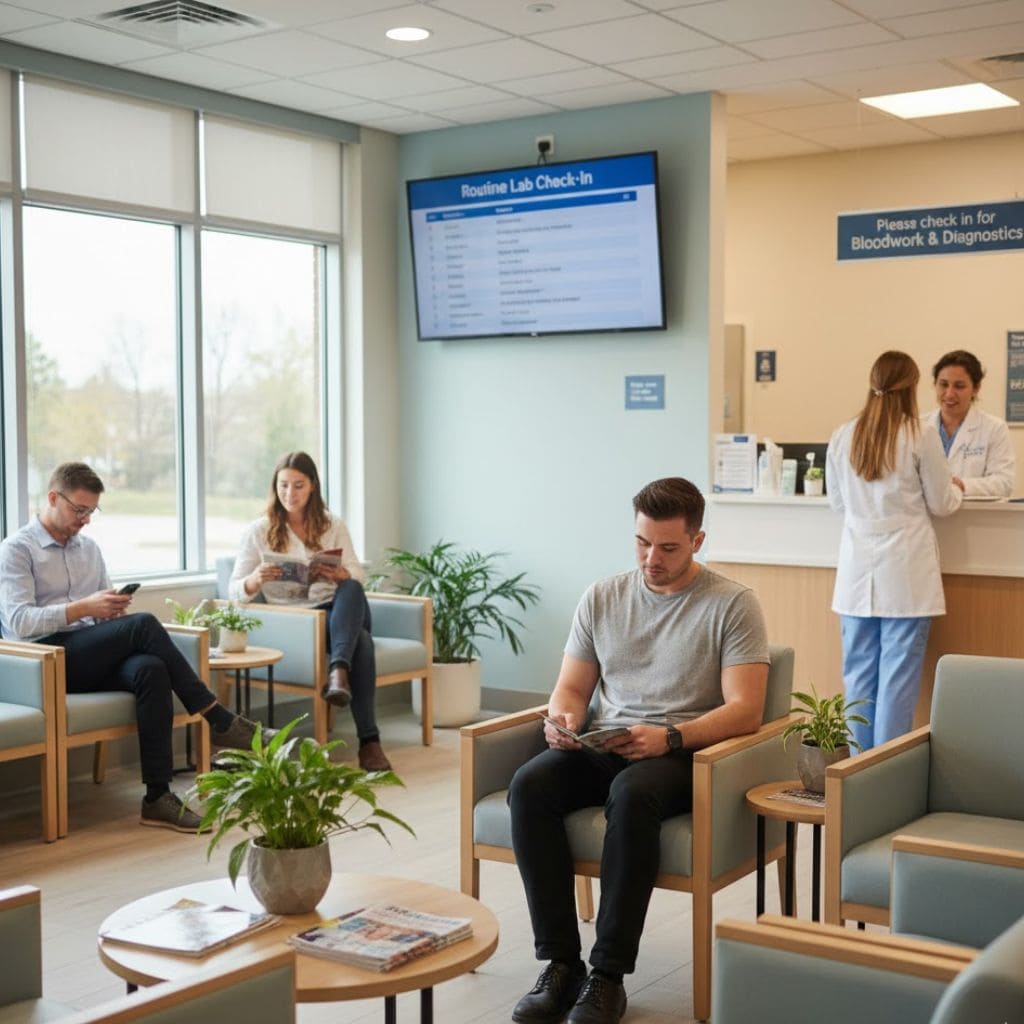
Vitamin D deficiency can be confirmed through blood testing, and I am not opposed to medical guidance when necessary. However, my first approach is always environmental and nutritional adjustment.
Teaching the Kids Awareness
I also talk to the children about sunlight in simple terms. I explain that our bodies use sunlight to stay strong, and that winter means we must be a little more thoughtful.
We plan outdoor play intentionally, even if it means bundling up for cold air.
Emma especially enjoys winter walks when the air is crisp but the sky is bright. Claire prefers sledding days when snow reflects extra light. Jack runs constantly, generating warmth quickly.