How I Gently Control My Kids’ Diet Without Making Food the Enemy
As a mother, I have learned that controlling my children’s diet is not about restriction or fear. It is about guidance, consistency, and long-term health.
I do not believe in labeling food as bad or creating anxiety around eating, but I also cannot ignore what I see around me.
Last year during a school event, I noticed something that stayed with me.
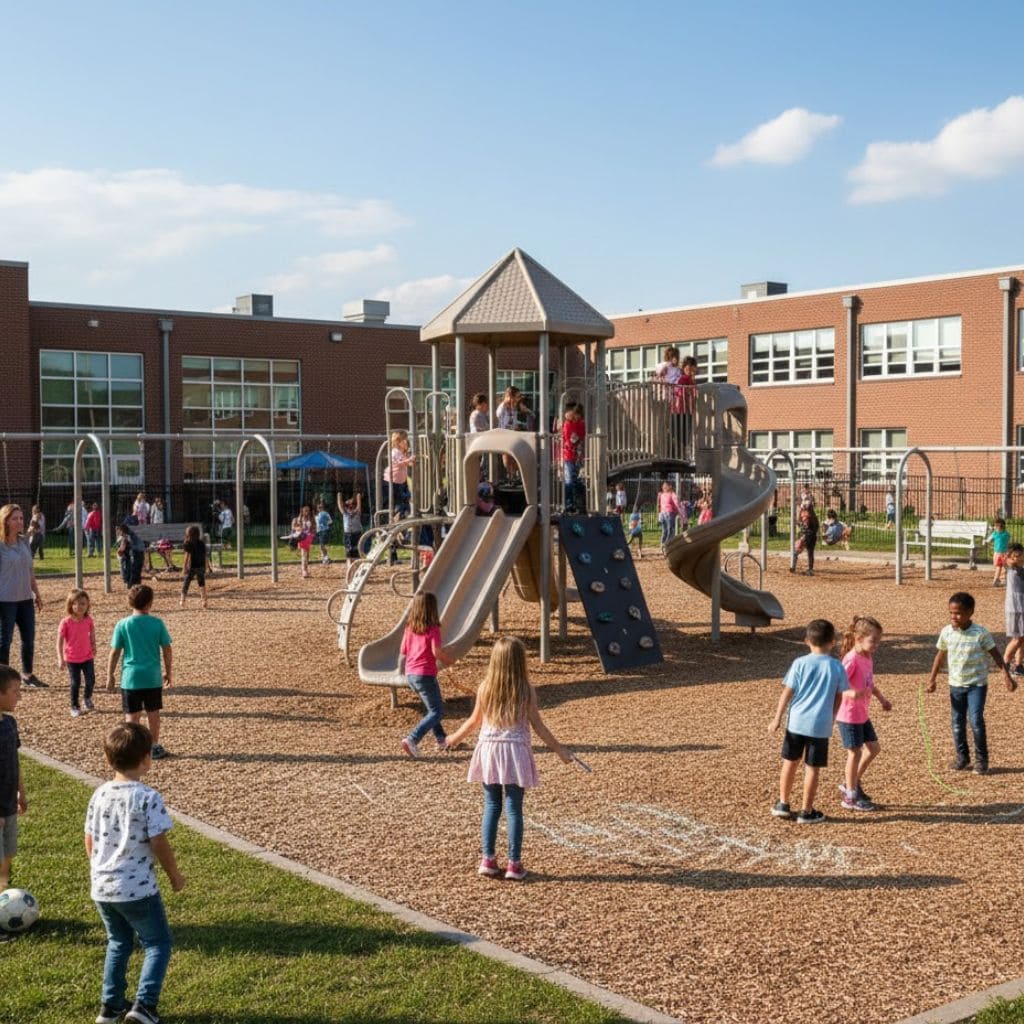
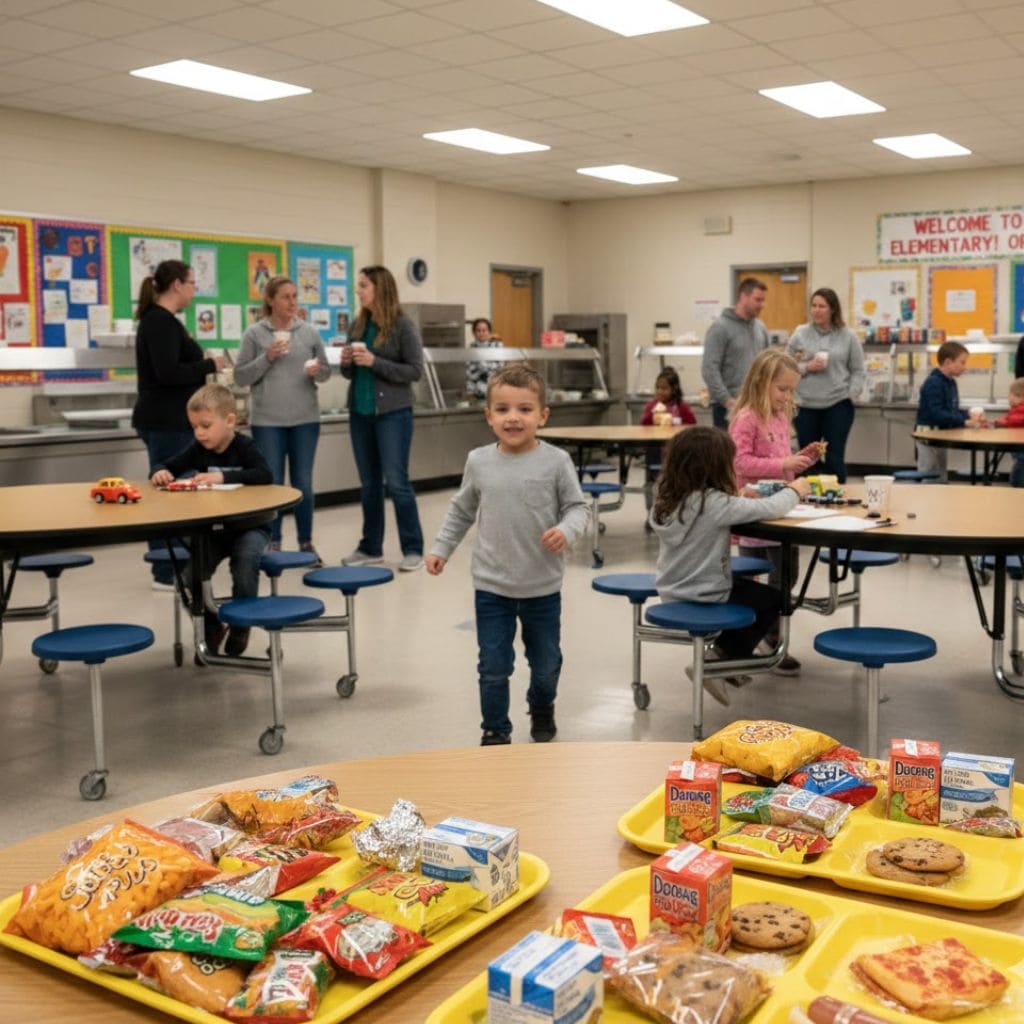
At Emma’s elementary school open house, I stood in the cafeteria while parents mingled and children ran between tables.
I observed that many lunch trays were filled with packaged snacks, sugar-heavy drinks, and processed foods.
I am not judging any family; I understand that convenience plays a role in busy lives. Still, I could not ignore the broader reality.
According to data from the CDC, childhood obesity in the United States has risen significantly over the past decades, with nearly 1 in 5 children affected.
That statistic reflects daily habits, food environments, and cultural shifts toward processed convenience.
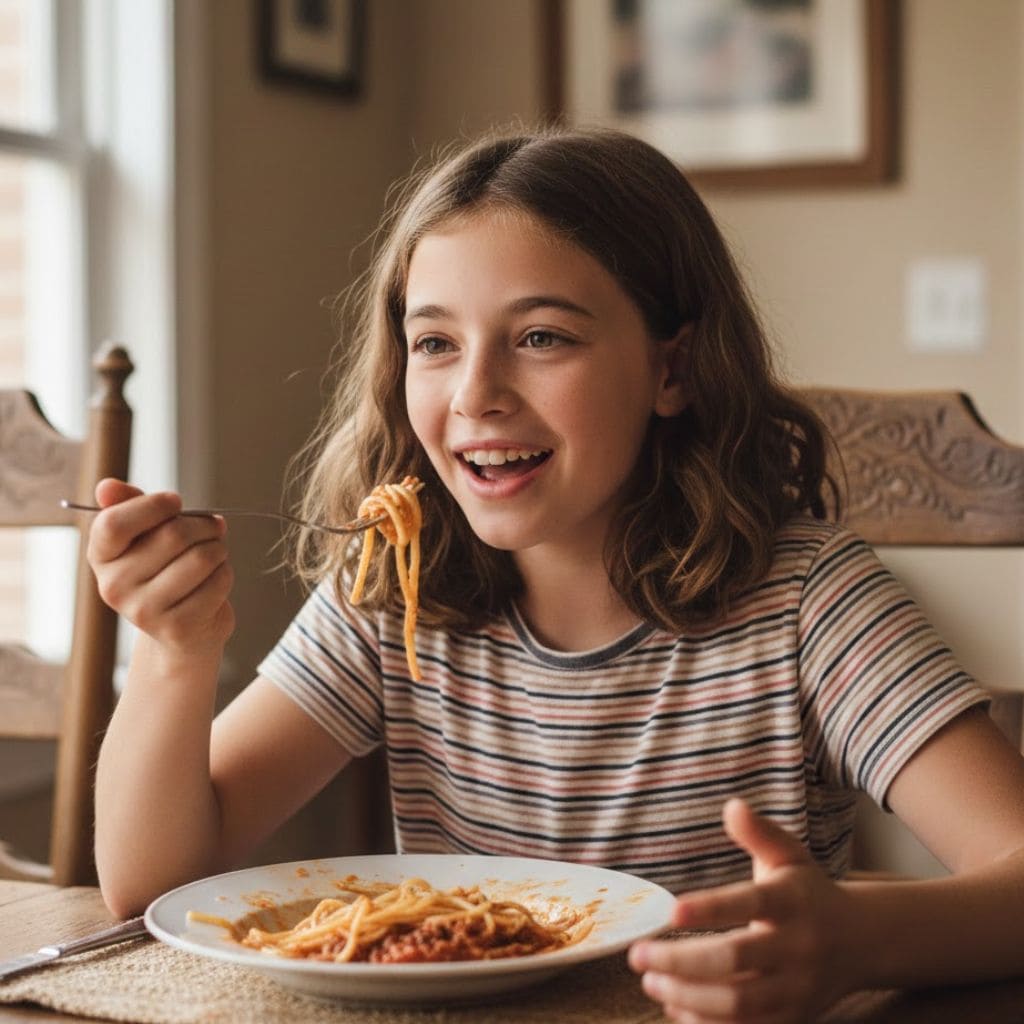
When I look at my own children – Emma, Claire, and Jack – I see growing bodies that need steady nourishment for energy, focus, and emotional balance.
What “Control” Means in Our House
Control, in our home, does not mean banning birthday cake or forbidding treats at parties. It means structure.
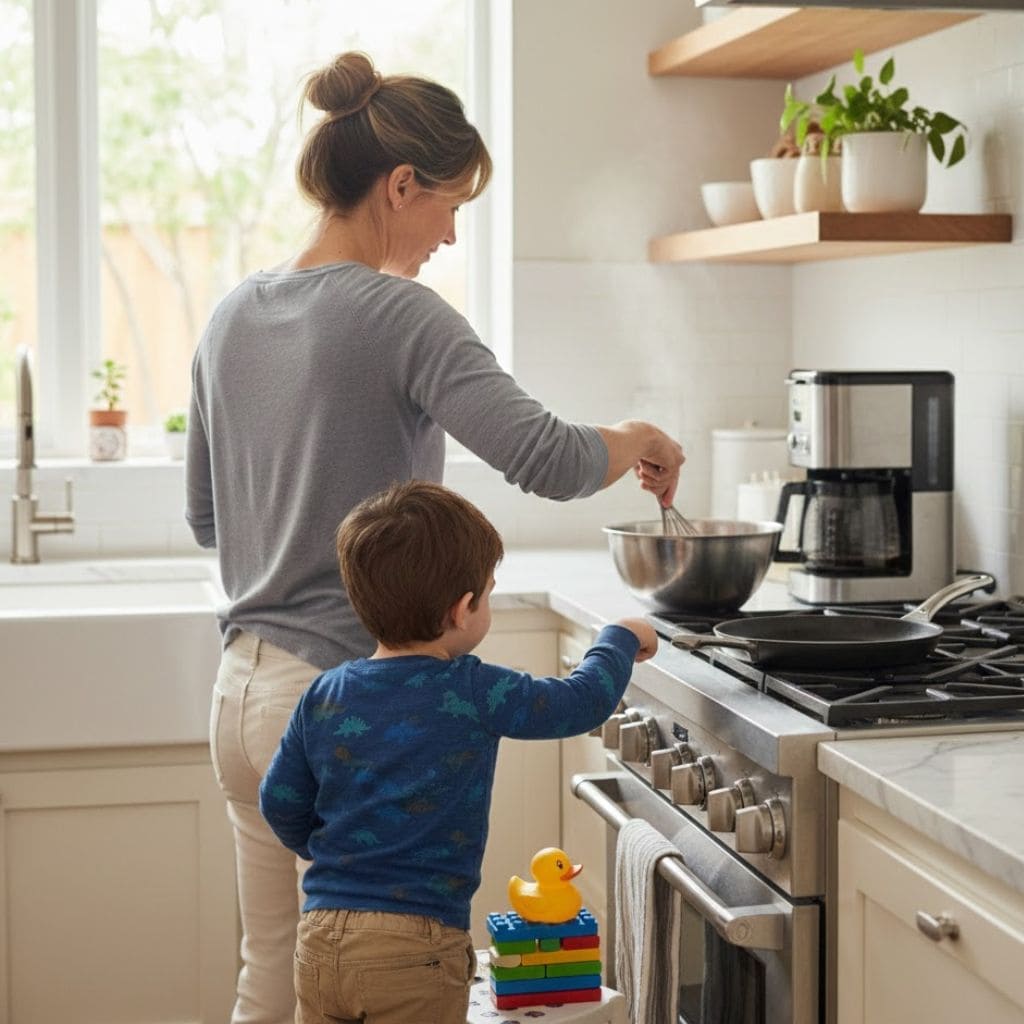
Breakfast, lunch, and dinner are consistent and balanced. Snacks are planned rather than impulsive. Junk food is occasional rather than routine.
On weekdays, I follow a predictable rhythm.
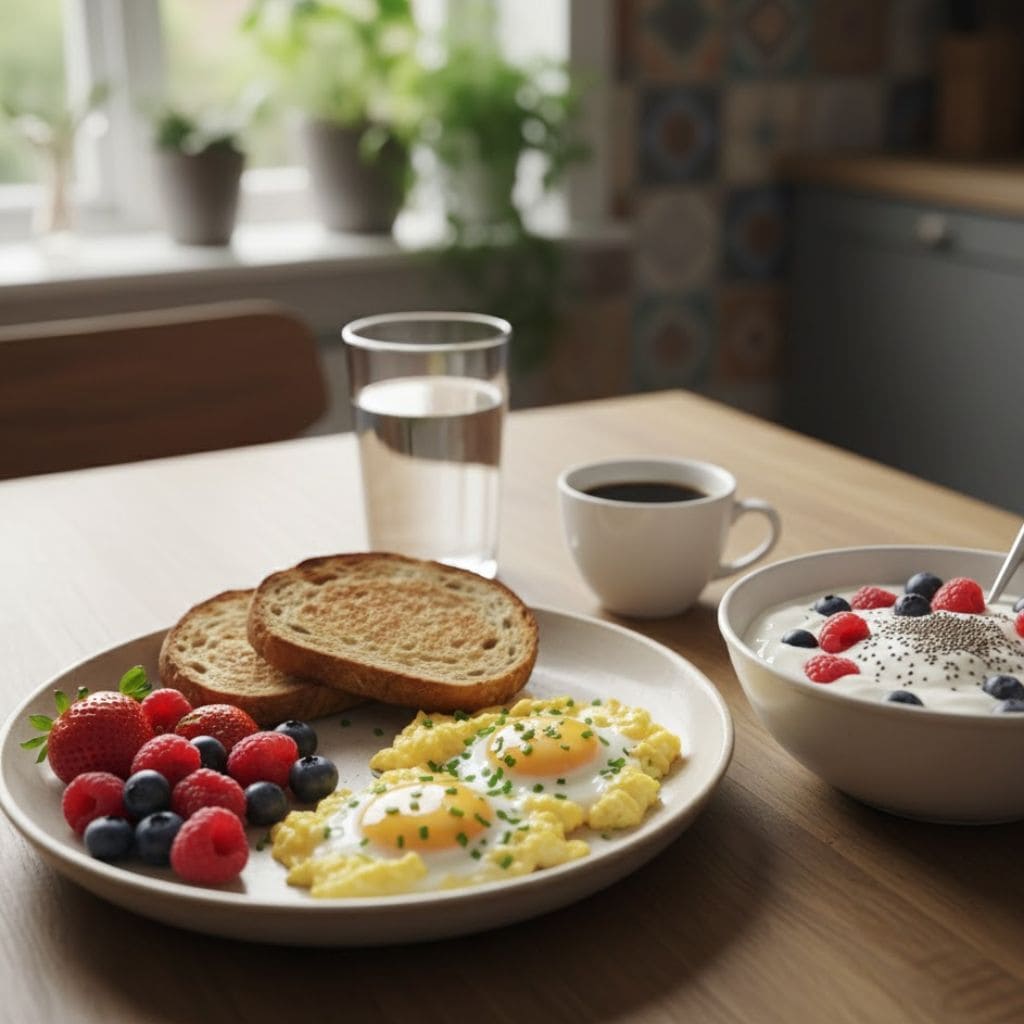
Breakfast is always eaten at home before school. It often includes two scrambled eggs, whole-grain toast, and fruit, or Greek yogurt with berries and chia seeds.
I prioritize protein in the morning because it stabilizes blood sugar and helps prevent mid-morning crashes.
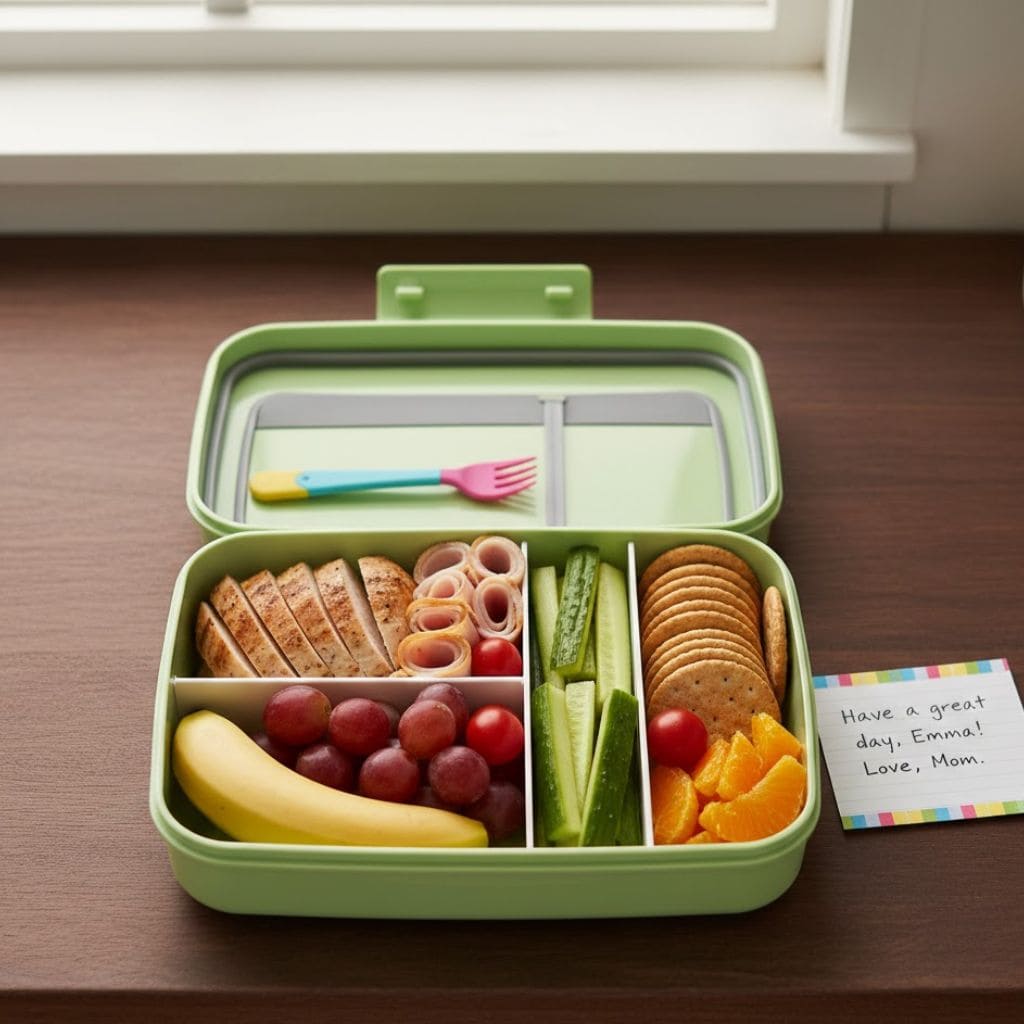
Lunch is packed the night before. I rotate options to prevent boredom. A typical lunchbox includes grilled chicken slices or turkey, cucumber sticks, cherry tomatoes, whole-grain crackers, and a piece of fruit.
I rarely include packaged desserts. If I do, it might be a small homemade cookie once a week.
After school, around 3:30 p.m., I provide a structured snack. This is important because uncontrolled hunger leads to poor choices.
A common snack might be apple slices with almond butter, boiled eggs, or a small bowl of unsweetened popcorn.
I limit processed snacks to weekends, and even then, I portion them rather than handing over a full bag.
What I See at School
At pickup time, I often watch children leaving school with brightly colored drink pouches or bags of chips from aftercare programs. Some children talk about soda as if it is a daily habit.
I do not comment on other families, but I use those moments as quiet teaching opportunities at home.
When my children ask why they cannot have certain snacks every day, I explain gently that food is fuel. Some fuel keeps your body running smoothly. Some fuel makes you feel tired later.
Last year, after a birthday party where Jack ate more candy than usual, he came home restless and irritable.
Instead of scolding him, I pointed out calmly that too much sugar can make our bodies feel unsettled.
The next time he asked for a second piece of cake at another event, he paused and chose half instead.
Frequency and Boundaries
In our home, sweets appear about two or three times per week in small amounts. Soda is reserved for special occasions, perhaps once every two months.
Fast food happens rarely, maybe once every two months when schedules become overwhelming.
Instead of complete restriction, which often leads to secrecy or obsession, I focus on moderation.
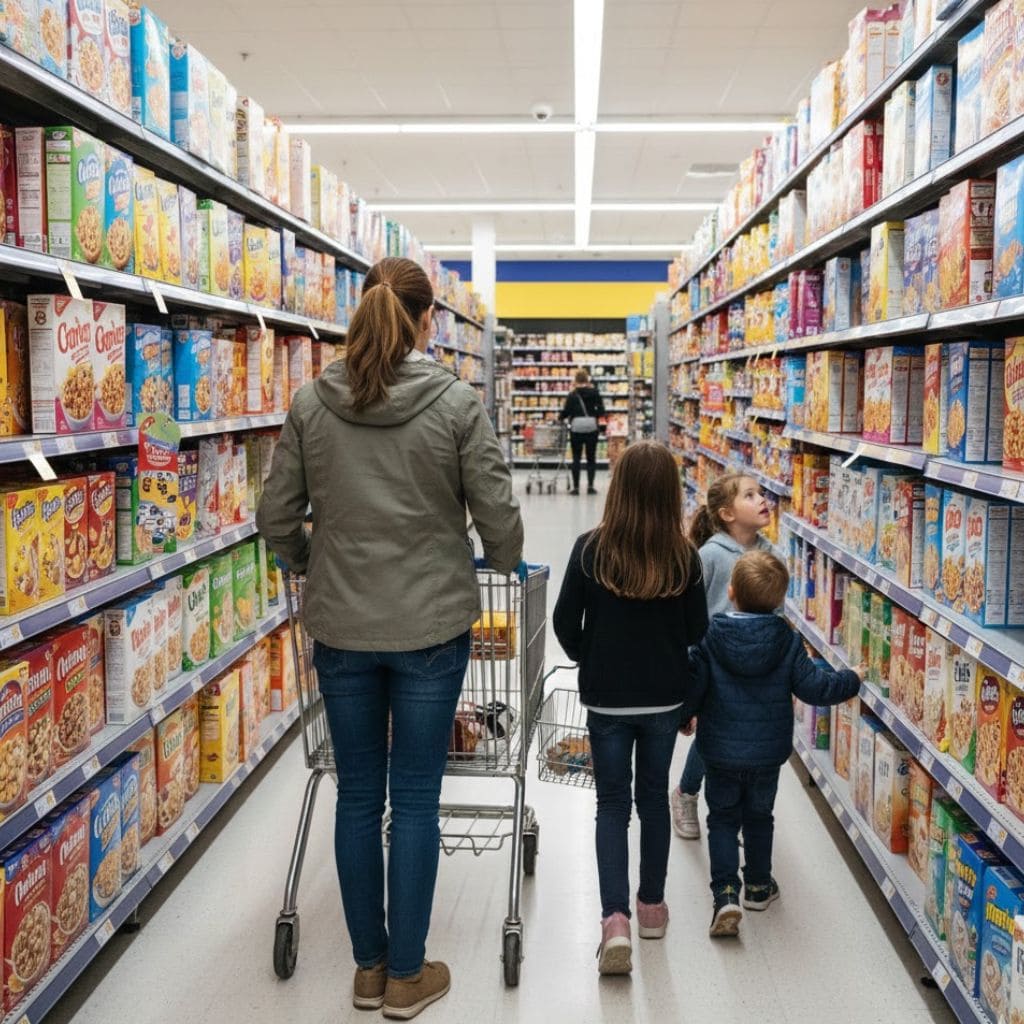
I also involve the children in grocery shopping at ShopRite in Springfield. When they ask for brightly packaged cereal, we read the nutrition label together.
I show them sugar grams per serving. If a cereal contains 18 grams of sugar per serving, I compare it to the recommended daily intake.
How I Manage Junk Food at Home
One rule I maintain consistently is that junk food does not stay visible. I do not keep candy bowls on the counter. I do not stock soda in the refrigerator regularly.
If treats are present, they are stored out of sight and portioned intentionally.
Research shows that visibility increases consumption. Simply placing snacks on a counter leads to more mindless eating.
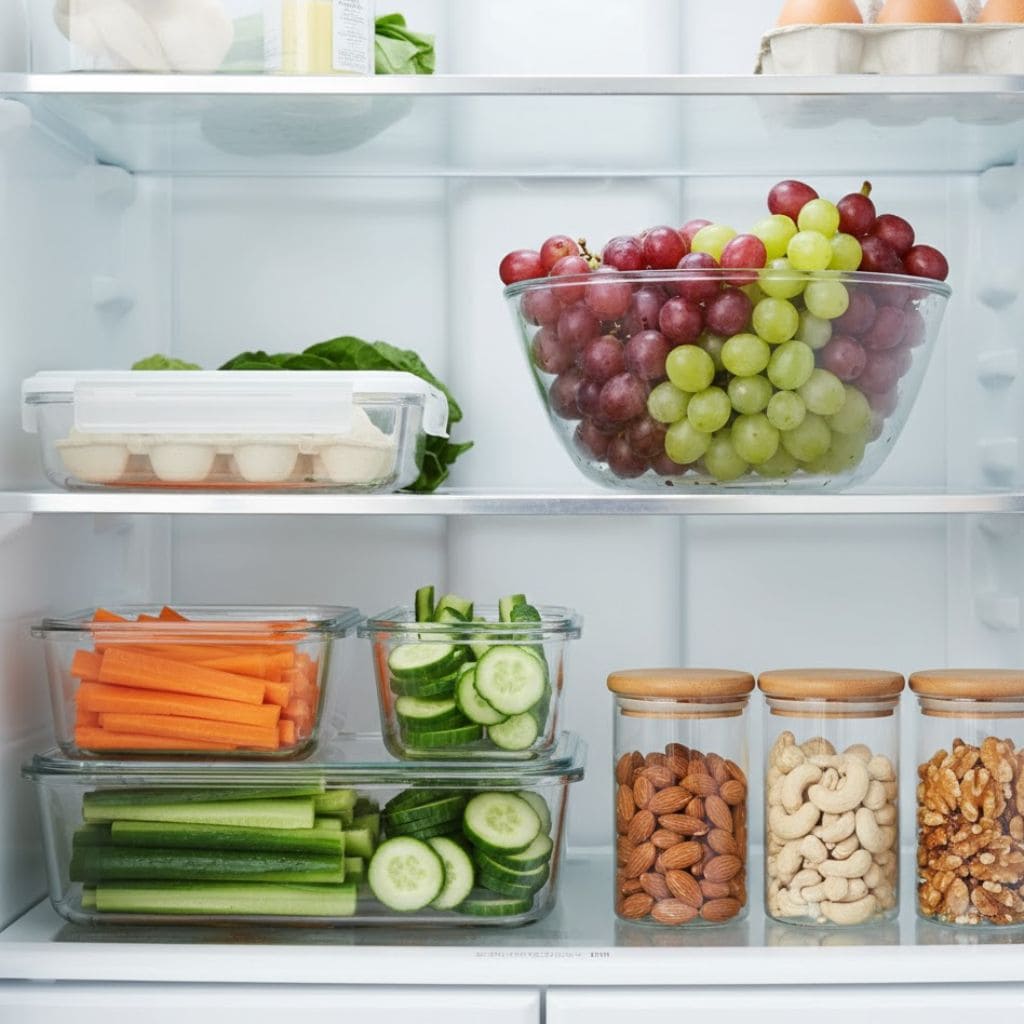
I also ensure that healthy options are easy to access. Washed grapes sit at eye level in the refrigerator. Sliced carrots are stored in clear containers. Nuts are pre-portioned in small jars.
The Emotional Side of Food
Food is not only nutrition, it carries emotion, comfort, and social bonding. I am careful not to create shame around eating.
If one of my children overeats at a party, I do not lecture. We talk about how their body feels afterward. That reflection encourages self-awareness rather than fear.
I also avoid speaking negatively about my own body in front of them. Children absorb language. If I complain about weight or appearance, they may internalize those patterns.
Instead, I focus on strength, energy, and feeling well.
What This Approach Has Given Us
Emma has stable energy throughout the school day. Claire rarely complains of stomachaches. Jack’s dentist once commented positively on his oral health habits.
More importantly, my children are not obsessed with sweets. Because treats are not forbidden, they do not feel rare or mysterious.
Controlling my children’s diet does not mean rigid rules. It means recognizing that the habits we build now shape their relationship with food later.
As mothers, we cannot control everything our children encounter outside our homes. But inside our kitchens, we have influence.