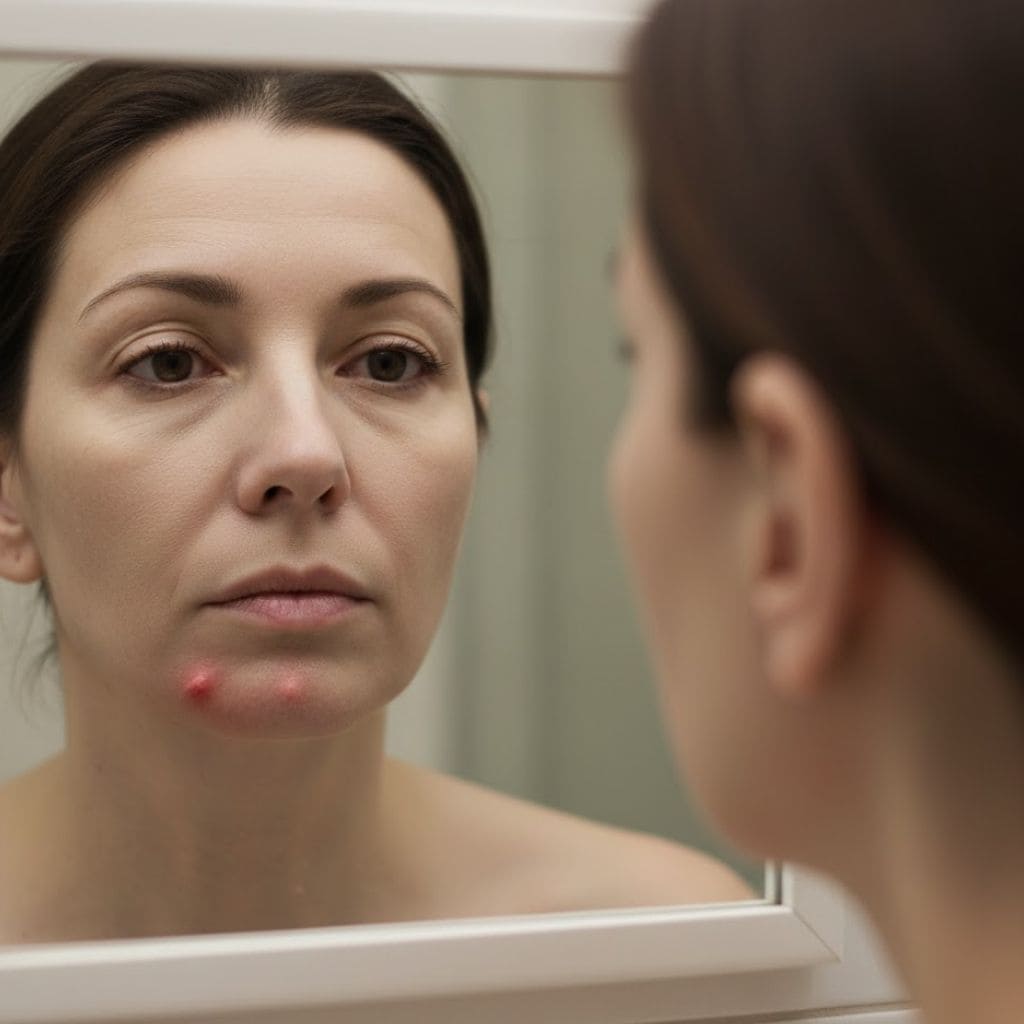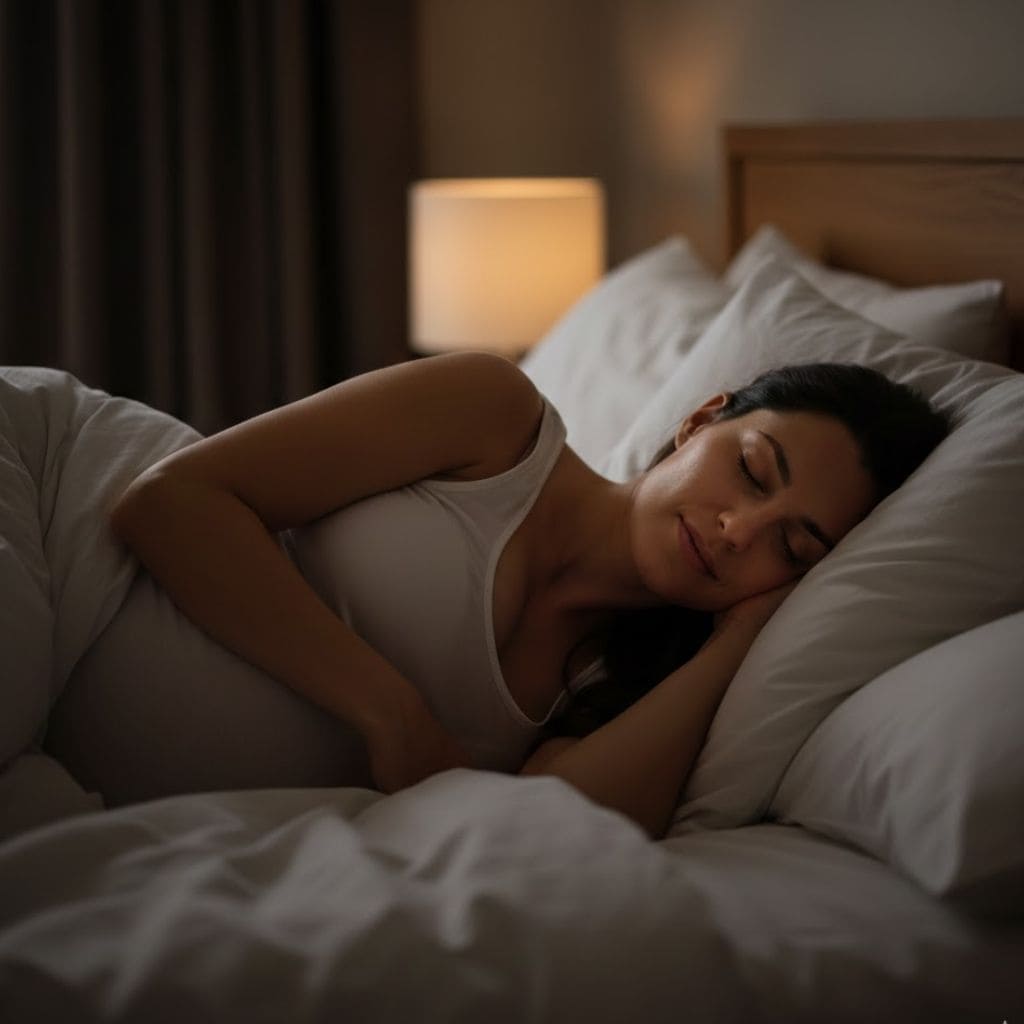
I Now Protect 8 Hours of Sleep Every Night
A few weeks ago, I wrote about how drinking coffee after 2 p.m. disrupted my sleep. At first, I thought the problem was small, just a few restless nights.
But when I looked closely, I realized that my body had been tolerating mild sleep deprivation for much longer than I admitted.
For years, I believed I functioned well on six or seven hours of sleep. I woke early, taught classes, prepared meals, managed schedules, and rarely felt completely exhausted.
I told myself that this was simply what adulthood looked like. What I did not notice was the slow accumulation of subtle symptoms.
What Sleeplessness Actually Did to Me

When I think back honestly, the signs were present.
On mornings after shorter sleep, my resting heart rate felt slightly elevated. My patience thinned more quickly during small conflicts between the kids.
Around 3:30 p.m., I craved sugar or caffeine, not because I was hungry, but because my body was searching for stimulation.
Sleep research shows that adults who consistently sleep fewer than seven hours experience increased cortisol levels, impaired glucose regulation, and reduced cognitive performance.
I did not measure my cortisol, but I felt its effects. My thinking felt slightly foggier and my reactions felt sharper. Small inconveniences felt larger than they should.

On one particular week when I averaged about six hours of sleep per night, I noticed something more physical.
During a morning yoga session, I felt unusually stiff. My hamstrings resisted stretching, and my balance in single-leg poses felt unstable.
Later I learned that sleep deprivation affects muscle recovery and coordination because growth hormone release, essential for tissue repair, occurs primarily during deep sleep.
The Turning Point
After adjusting my caffeine cutoff time, I began focusing more intentionally on sleep duration, not just quality. I asked myself a simple question: what would it look like to consistently get eight hours?
The first obstacle was timing.
My children wake around 6:30 a.m. on school days. If I wanted eight hours, I needed to be asleep by 10:30 p.m., ideally earlier to allow for natural sleep onset.
That meant restructuring my evenings.
My Sleep Schedule Now
I now treat sleep as part of my wellness practice, not an afterthought.
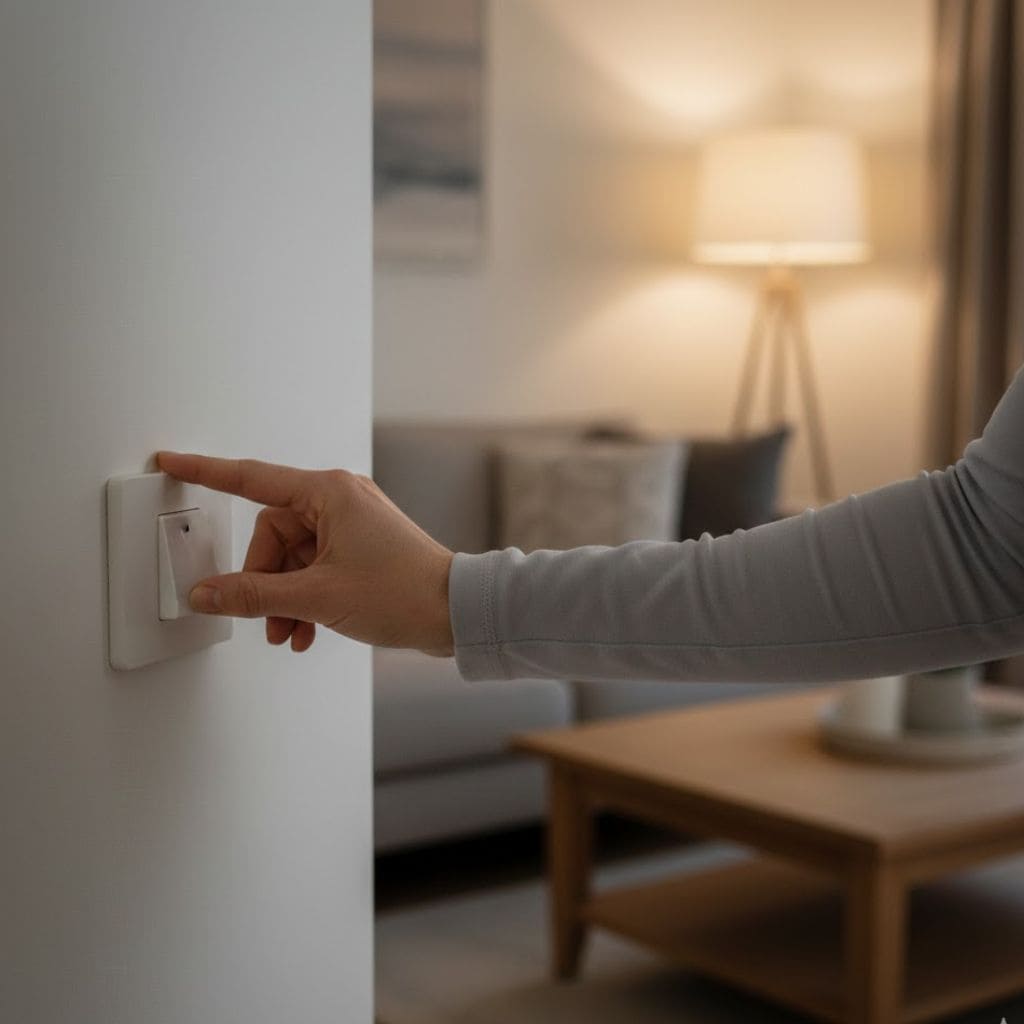
At 8:45 p.m., after the children are settled in their rooms, I dim the lights in the living room.
Overhead lighting switches off, and I use only a small table lamp. Light intensity matters because bright light suppresses melatonin production.
By 9:00 p.m., I put my phone on the kitchen counter to charge overnight instead of carrying it upstairs. That single change reduced the temptation to scroll in bed.
From 9:00 to 9:30 p.m., I usually read a physical book or write briefly in my journal. Sometimes I stretch gently for ten minutes, focusing on forward folds and slow breathing.
At 9:45 p.m., I begin preparing for bed. I wash my face, brush my teeth, and lower the thermostat slightly.
Research suggests that a cooler bedroom, around 65 to 68 degrees Fahrenheit, supports deeper sleep because the body naturally drops in temperature during the night.
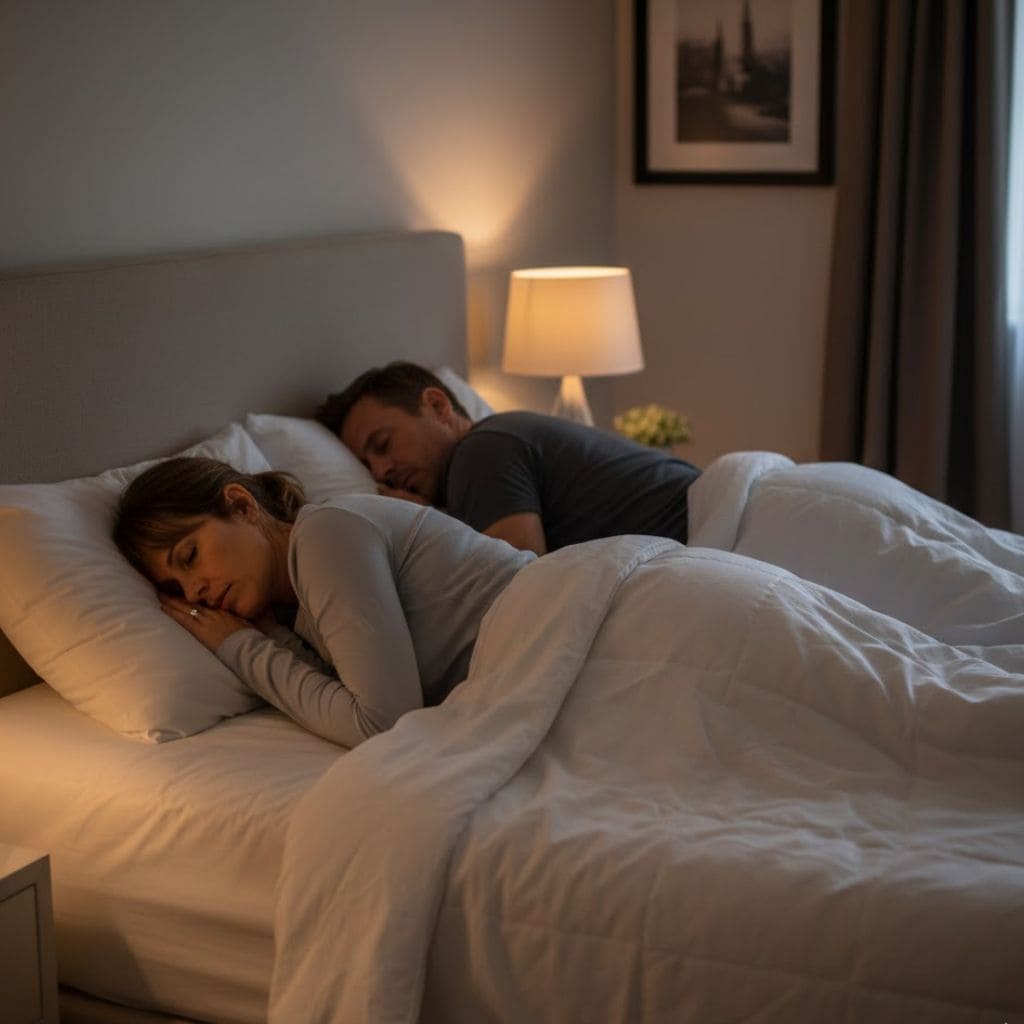
By 10:00 p.m., I am in bed.
I allow about fifteen to twenty minutes for natural sleep onset, which places me asleep around 10:20 or 10:30 p.m., depending on the day.
At 6:30 a.m., when the house begins to stir, I have completed a full eight hours.
What Changed
The difference was not dramatic overnight, but within two weeks I noticed consistent shifts.
First, my mood stabilized. Morning irritability decreased. When Jack misplaced his shoes or Claire forgot a folder, I responded with calm correction rather than frustration.
Second, my energy leveled throughout the day. The 3:00 p.m. crash softened. I still felt natural fatigue in the evening, but it was steady rather than erratic.
Third, my workouts improved. My balance returned in single-leg poses. My muscles felt less tight. I recovered faster after strength-focused sessions.
Fourth, my appetite regulated more naturally. Sleep deprivation increases ghrelin, the hunger hormone, and decreases leptin, the satiety hormone.
When I slept eight hours consistently, I noticed fewer cravings for quick carbohydrates in the afternoon.
Perhaps most importantly, my anxiety decreased. On nights when I previously slept six hours, my heart sometimes felt slightly unsettled the next day.
Within eight hours, my resting heart rate lowered by a few beats per minute according to my smartwatch, and that subtle change reflected a calmer nervous system.
Why Eight Hours Matters
The National Sleep Foundation recommends seven to nine hours for adults.
For years, I believed I belonged comfortably in the lower end of that range. What I learned is that functioning and thriving are not the same.
Sleep affects immune function, hormone balance, memory consolidation, and emotional regulation. During deep sleep stages, the brain clears metabolic waste products through the glymphatic system. Inadequate sleep disrupts this process.
As a mother, I cannot afford chronic depletion. My children borrow my energy. If I am short-tempered or mentally foggy, they feel it.
My Advice
If you are currently sleeping six or seven hours and telling yourself that it is enough, I gently encourage you to experiment with eight for two weeks. Not occasionally, but consistently.
Protect the time the way you would protect an appointment.
Dim the lights earlier. Stop caffeine earlier. Move your phone out of reach. Lower the room temperature slightly. Build a wind-down routine that signals to your body that the day is ending.
You may discover, as I did, that the most effective wellness practice is not adding something new, but allowing your body the rest it has quietly needed all along.
See also: I Stopped Drinking Coffee After 2 P.M.