I Stopped Drinking Coffee After 2 P.M.

For more than twenty years, coffee has been stitched quietly into the rhythm of my days.
I started drinking it in my early twenties, first out of curiosity, then out of habit, and eventually out of dependence that I did not fully recognize as dependence.
A warm mug beside my notebook while planning classes. A second cup mid-morning after school drop-off. Sometimes a third around 1:00 p.m. before an afternoon client.
On busier days, especially during winter when New Jersey skies feel gray and heavy, I would pour a fourth cup around 3:00 or even 4:00 p.m., convincing myself that I needed it to stay sharp.
For most of my adult life, I told myself coffee did not affect me negatively.
My blood pressure remained normal. My annual physicals showed nothing concerning. I slept reasonably well, or at least I believed I did. Coffee felt like fuel, not a problem.
But a few weeks ago, something shifted. It was a Thursday in early fall, one of those days when the air feels cooler but the sun still carries warmth.
I had taught two morning sessions and completed a private client call at 1:30 p.m.
Around 3:00 p.m., after school pickup, I felt that familiar dip in energy. I brewed a fresh cup of dark roast and drank it slowly while helping Emma review math homework.
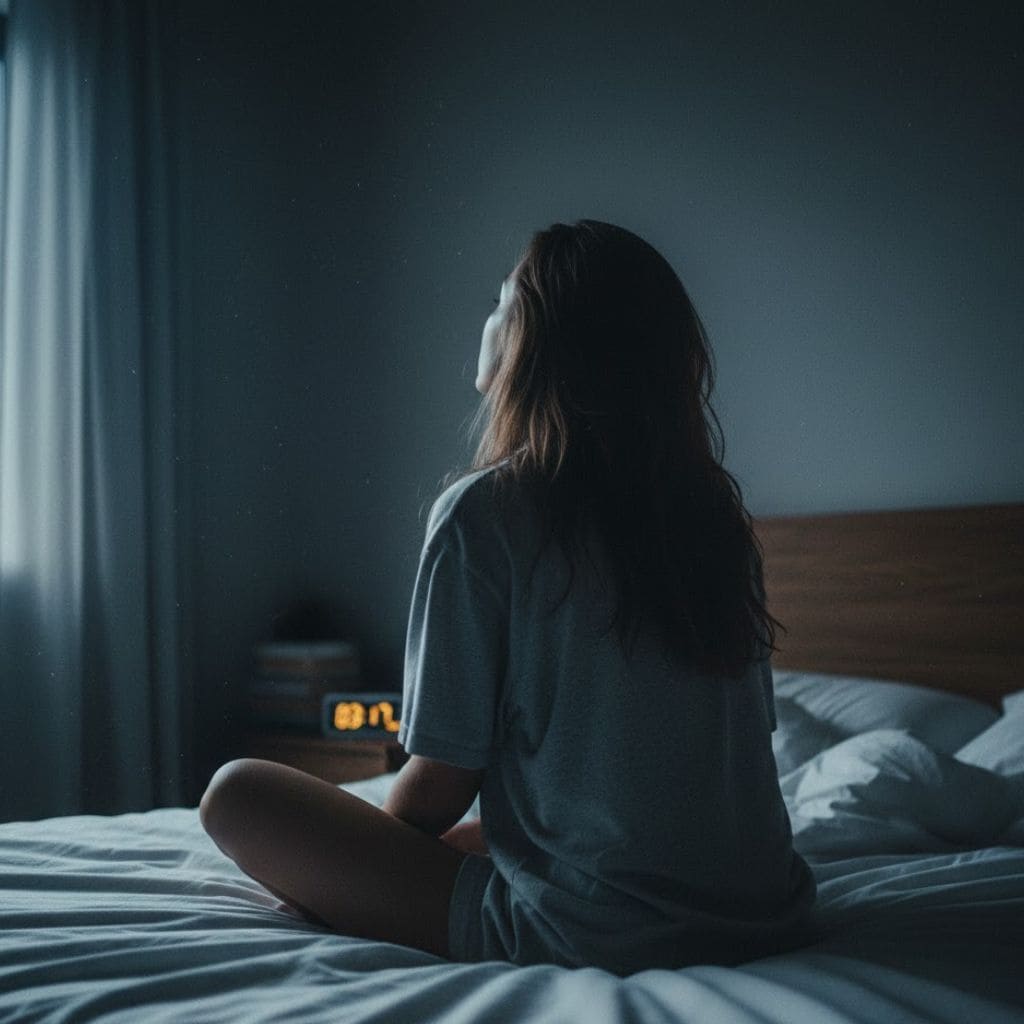
At 4:15 p.m., as I began prepping dinner, I poured another half cup, telling myself it was small enough not to matter. That night, I could not fall asleep.
By 10:30 p.m., I was still awake, staring at the ceiling, my mind cycling through mundane thoughts that felt amplified. My heart rate felt slightly elevated, not dramatically fast, but not calm either.
When I finally drifted off close to midnight, I woke twice, once at 2:40 a.m. and again at 4:10 a.m., both times feeling alert rather than groggy.
The following day, I blamed stress. The day after that, it happened again.
By the end of the week, I noticed a pattern. On days when I drank coffee after 3:00 p.m., my sleep quality declined significantly.
On one particularly restless night, I even felt mild anxiety, a fluttery sensation in my chest that was not tied to any specific worry.
Connecting the Dots
I began tracking my coffee intake more carefully. I wrote down the time of each cup for five days.
I noticed that on days with three or four cups, especially when the last one was after 2:30 p.m., my sleep latency – the time it took to fall asleep – extended beyond forty-five minutes.
On days when I stopped earlier, I fell asleep within twenty minutes.
Caffeine has a half-life of approximately five to seven hours in most adults.
That means if I drank a cup at 4:00 p.m., nearly half of that caffeine could still be circulating in my system at 10:00 or 11:00 p.m. Even if I felt subjectively tired, my nervous system might still be stimulated.

Still, I wanted clarity.
I scheduled an appointment with my primary care physician at Atlantic Health System in Summit, New Jersey, where I have gone for years.
During the visit, I described the sleep disruption, the mild anxiety at night, and the increased restlessness.
My blood pressure measured 118/74, well within normal range. My resting heart rate was slightly elevated compared to previous visits, but still not alarming.
My doctor asked about caffeine intake. When I told her I typically consumed three to four cups per day, with some as late as 4:00 p.m., she raised her eyebrows gently.
“Your body may simply be metabolizing caffeine more slowly now,” she said. “Hormonal shifts in your thirties and forties can change sensitivity. What worked for years may not work the same way now.”
The Adjustment

I did not quit coffee entirely. Instead, I made one change: no coffee after 2:00 p.m.
The first week felt surprisingly difficult. Around 3:30 p.m., especially during homework hour, I felt the habitual pull toward the kitchen.
I replaced the coffee with herbal tea, often peppermint or chamomile, something warm that maintained the ritual without the stimulant.
Within five days, I noticed a difference.
I fell asleep more easily, usually within twenty minutes. The middle-of-the-night awakenings decreased. The subtle anxiety at bedtime disappeared, and my heart felt steadier.
Perhaps most interesting was that my daytime energy did not collapse the way I feared.
By 4:00 p.m., instead of relying on caffeine, I began stepping outside for five minutes of fresh air, even if the weather was cool.
What I Learned
For two decades, I believed my body tolerated coffee perfectly. And perhaps it did, at that stage of my life. But bodies change quietly over time. Hormonal fluctuations, stress levels, and even sleep patterns evolve.
Caffeine stimulates the central nervous system by blocking adenosine receptors in the brain. Adenosine is responsible for promoting sleepiness.
When caffeine blocks it, we feel alert. The problem arises when that alertness extends into hours when the body is attempting to wind down.
I realized that I had been masking natural fatigue signals in the late afternoon instead of respecting them.
Now, I still drink two cups most mornings, occasionally three if it is a particularly full day. But I close that window by 2:00 p.m. consistently.
The result has been more restorative sleep, less evening restlessness, and a steadier mood overall.