
What Yoga Has Actually Done for My Body and Mind
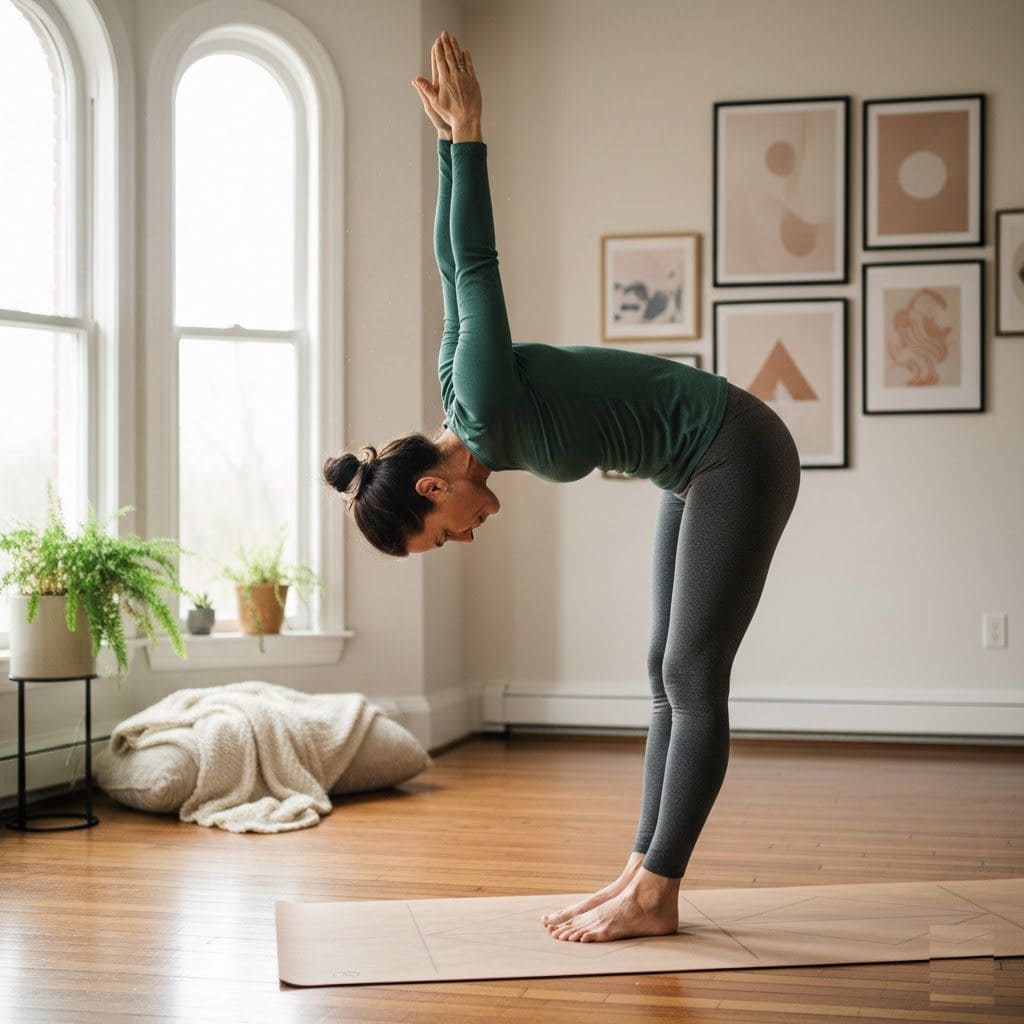
When people find out that I teach yoga, they often assume I began practicing because I was already calm, flexible, or naturally balanced.
The truth is much less polished.
I started practicing yoga in my late twenties during a period when my body felt tight, my shoulders carried constant tension, and I was living in a state of quiet mental restlessness that I could not quite name.
At that time, I was not searching for spirituality or transformation. I simply wanted relief from a persistent stiffness in my lower back and the kind of fatigue that does not disappear after sleep.
What I discovered over the years was not dramatic flexibility or sudden inner peace, but something steadier and more sustainable: awareness.
It Changed the Way My Body Holds Stress
Before I practiced consistently, I did not realize how much tension I carried physically.
I would clench my jaw while answering emails. I would tighten my shoulders unconsciously while driving on the Garden State Parkway.
My breathing remained shallow, especially during busy afternoons when I was transitioning between tasks.
Through consistent practice, especially slower vinyasa sequences and breath-focused flows, I began to notice these patterns. Coordinating movement with inhalation and exhalation trains the diaphragm to expand fully.
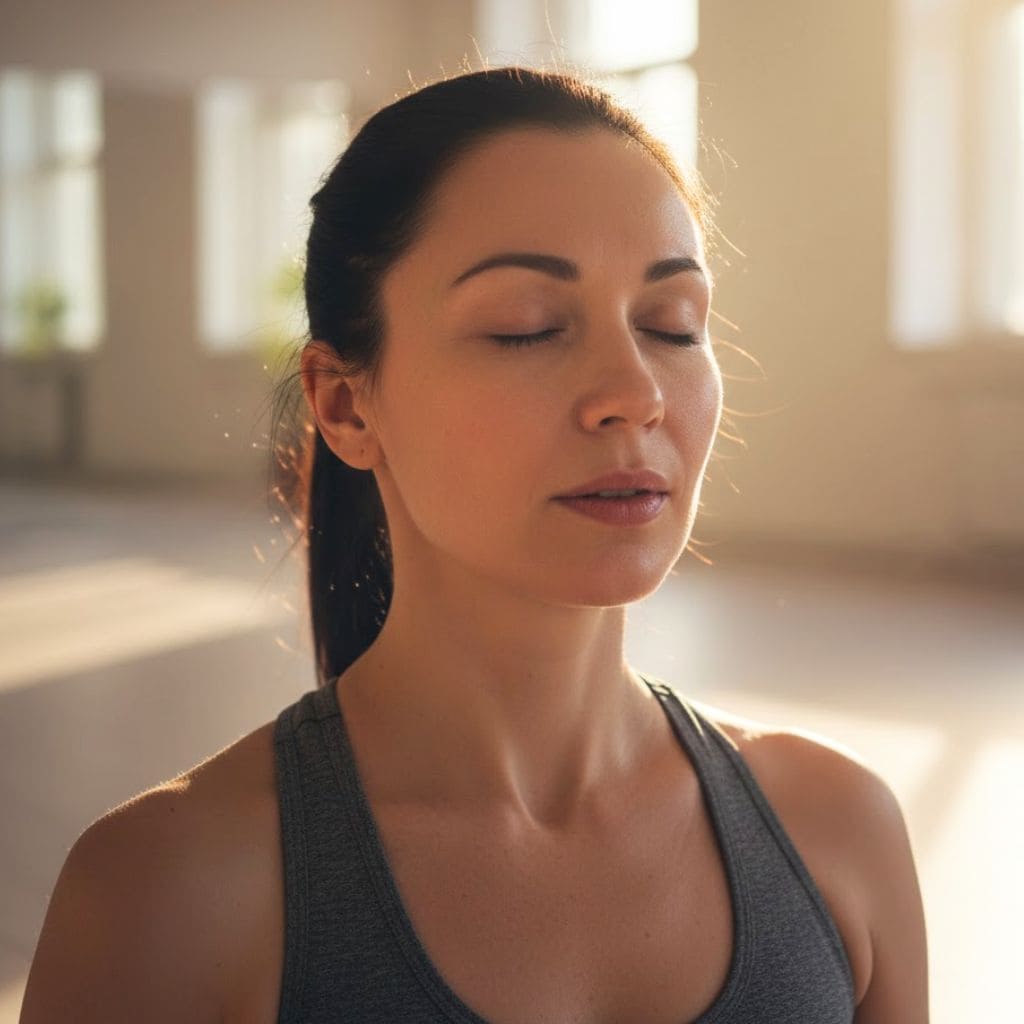
Gradually, this deep breathing activates the parasympathetic nervous system, which counterbalances the stress response.
I noticed this change most clearly during moments that used to overwhelm me.
For example, when all three children begin speaking at once in the kitchen at 5:30 p.m., there is usually a spike of sensory overload.
Years ago, my shoulders would tense immediately and my tone would sharpen. Now, I feel the same external noise, but my breath remains deeper. The reaction softens.
It Strengthened My Core in Ways I Did Not Expect
Many people associate yoga with flexibility, but the physical benefit that surprised me most was strength, particularly in my deep core muscles.
Holding plank for extended periods activates not only the visible abdominal muscles but also the transverse abdominis, which acts like a corset supporting the spine.
Slow, controlled transitions from plank to chaturanga and upward-facing dog build shoulder stability and upper body strength without heavy equipment.

After my third pregnancy, I noticed a mild separation in my abdominal wall, something common after childbirth.
Instead of turning to high-impact workouts, I leaned into controlled core engagement through yoga.
Movements like slow leg lifts in supine position and mindful activation during bridge pose helped rebuild stability gently.
Within months, I felt more supported through my lower back, especially during long drives or while carrying groceries.
The nagging ache that used to settle into my lumbar spine after sitting for extended periods became less frequent.
It Improved My Joint Stability as I Entered My Thirties
In my early twenties, I rarely thought about joint health. By my mid-thirties, I began noticing small changes.
My knees felt tighter during cold New Jersey winters. My hips required more warming up before longer practices.
Consistent yoga strengthened the muscles surrounding my joints, particularly in my hips and shoulders. Poses like warrior II and crescent lunge strengthened gluteus medius and hip stabilizers, which reduce strain on knees.
Controlled shoulder movements in downward dog and dolphin pose improved scapular stability, protecting the rotator cuff.
I also became more mindful about not overstretching. Flexibility without strength can destabilize joints.
I learned to balance mobility with muscular engagement, especially during hamstring stretches and deep backbends.
This balance has helped me move through seasonal shifts more comfortably, particularly during winter when cold air tends to tighten everything.
It Changed My Sleep Patterns Gradually

There was a period about four years ago when I struggled with falling asleep because my mind remained active. Lists replayed. Conversations resurfaced. Responsibilities lined up mentally for the next day.
Incorporating slower evening practices made a measurable difference.
Ten to fifteen minutes of restorative poses including legs up the wall, supported child’s pose with a pillow, gentle supine twists, lowered my heart rate and signaled to my body that the day was ending.
From a physiological perspective, slow breathing reduces cortisol levels and encourages melatonin production. I did not track hormone levels, but I tracked how I felt.
On evenings when I practiced, I fell asleep within fifteen to twenty minutes. On evenings when I skipped it entirely and went straight from phone to bed, sleep was lighter and more fragmented.
It Gave Me Emotional Awareness I Did Not Expect
One of the less visible benefits of yoga has been emotional regulation.
Long holds in poses like chair pose or warrior III demand focus while discomfort builds slowly. In those moments, you learn to observe sensation without reacting immediately.
When conflict arises at home, whether it is sibling arguments or unexpected schedule changes, I feel the initial wave of frustration.
The difference is that I now recognize it more quickly. I notice the tightening in my chest, the urge to interrupt, the impulse to control the situation immediately.
What Yoga Has Not Done
Yoga has not eliminated stress. It has not prevented difficult days. It does not replace medical care, nor does it override poor sleep caused by late-night scrolling.
What it has done is create a stable baseline. My breathing is deeper, my posture is stronger, my joints feel supported, and my awareness of tension appears earlier.
When winter settles into New Jersey and daylight shortens, I feel the heaviness more slowly than I once did. When spring returns and energy rises, my body adapts without sharp transitions.
Yoga has not transformed me into someone different.
And perhaps that is the most sustainable benefit of all, but steady awareness that supports both physical health and emotional balance over time.