The 15-Minute Foot Soak in Wormwood Water I Brought Home From Asia

Three years ago, when Liam and I traveled to Asia together, I did not expect to bring home a ritual that would quietly reshape my evenings in New Jersey.
We had gone for rest, for reconnection, and for a rare stretch of uninterrupted conversation, but what stayed with me most was warm water infused with leaves.
We stayed at La Siesta Hoi An Resort & Spa in Vietnam, a boutique hotel with pale yellow walls, dark teak furniture, and lanterns that glowed softly along the garden paths after sunset.
On our first evening, after walking for hours through the Old Town, a staff member recommended a traditional herbal foot soak before dinner.
I agreed without much thought, what I did not expect was how physically different I would feel afterward.
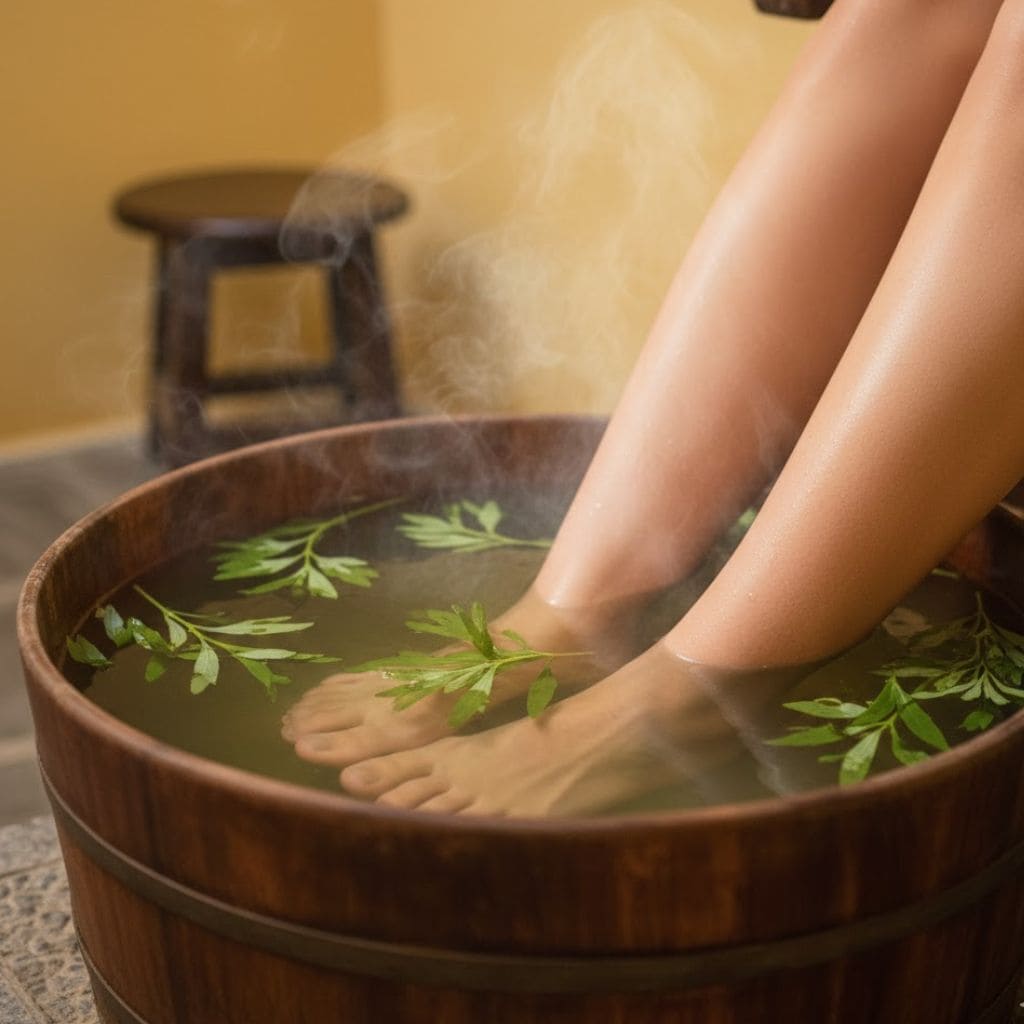
The wooden basin was filled with steaming water tinted a muted olive green. Floating at the surface were wormwood leaves, known locally for their warming and circulation-supporting properties.
When I lowered my feet into the water, the warmth traveled upward through my calves almost immediately.
The scent was earthy, slightly bitter, almost medicinal, but not unpleasant, it felt grounding rather than floral or sweet.
We sat for about fifteen minutes. At the time, I only knew that my shoulders relaxed and my breathing slowed. I slept deeply that night in a way I had not in months.
It was only later, back in New Jersey, that I began researching what exactly wormwood contains and why it produced such a noticeable effect.
What Is Actually Inside Wormwood
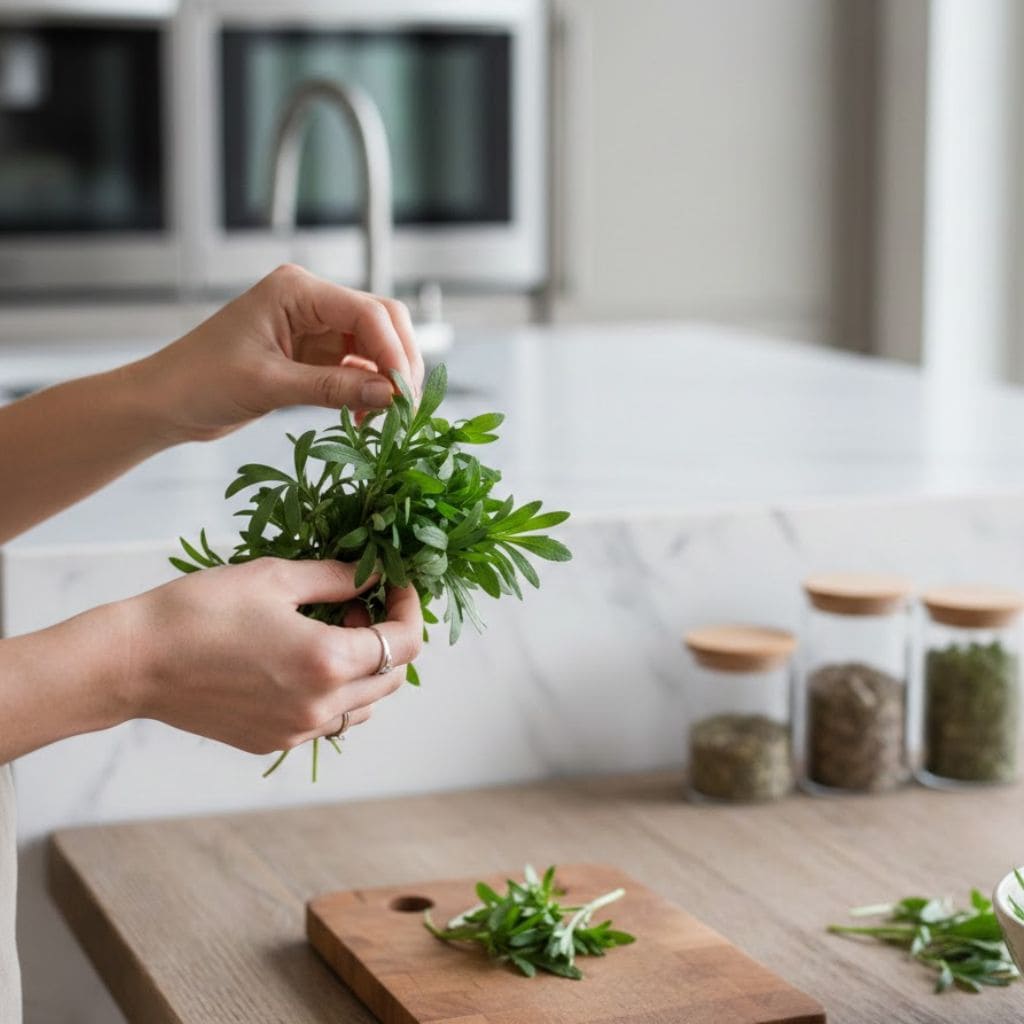
Wormwood, scientifically known as Artemisia absinthium. One of its most well-known components is thujone, a naturally occurring terpene compound.
In large internal doses, thujone can be stimulating to the nervous system, which is why wormwood must be used carefully and never ingested casually.
However, when used externally in diluted form, especially in a foot soak, its concentration is mild and safe.
Wormwood also contains absinthin, a bitter compound that stimulates circulation and is traditionally used to support digestion.
When applied topically through warm water, it may help increase peripheral blood flow, which explains why my feet and lower legs felt noticeably warmer and lighter afterward.
Another important group of compounds in wormwood are flavonoids and phenolic acids, which have antioxidant and mild anti-inflammatory properties.
These compounds can help soothe muscle tension and reduce minor swelling, especially when combined with heat.
The essential oils present in wormwood leaves also contain camphor-like terpenes, which create that earthy, slightly sharp aroma I noticed immediately.
Aromatically, these volatile oils interact with the limbic system, the part of the brain responsible for emotion and memory, which may partially explain the calming sensation.
The more I read, the more that fifteen-minute soak made sense.
Why a Foot Soak Works
I am careful to note that wormwood is not something to ingest casually. Thujone in high internal doses can be toxic.
However, when used externally in diluted form, particularly in warm water, the body absorbs only minimal amounts through the skin.
The feet contain numerous blood vessels and nerve endings. Soaking them in warm herbal water improves circulation and stimulates the parasympathetic nervous system, the system responsible for rest and recovery.
When heat and mild herbal compounds combine, they help signal to the body that it is safe to relax.
That was exactly what I had felt in that quiet spa room in Hội An.
Recreating the Ritual in New Jersey
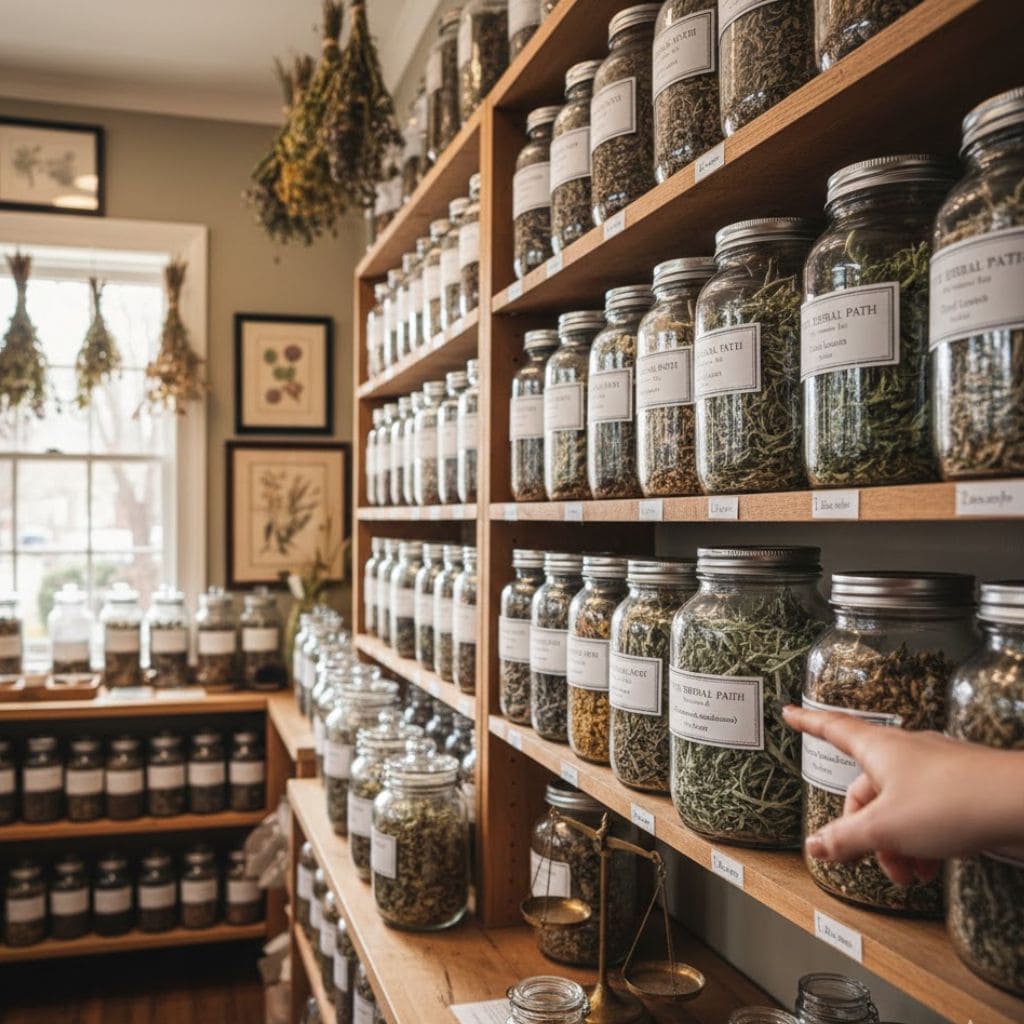
Back home, I searched for dried wormwood and eventually found it at The Herbal Path in Montclair, New Jersey, a small herbal apothecary that carries loose medicinal plants in labeled glass jars.
The owner confirmed that dried wormwood leaves can be used safely for external soaking when properly diluted.
I bought a 4-ounce bag for about twelve dollars, and that small purchase became the foundation of a habit I now practice twice a week.
On Tuesday and Friday evenings, after the children are asleep and the kitchen is reset, I fill a basin with warm water, around 100 to 105 degrees Fahrenheit.
In a small saucepan, I simmer two tablespoons of dried wormwood in four cups of water for ten minutes. As it steeps, the water deepens in color and releases its distinctive scent.
I strain the liquid and pour it into the basin. Then I sit.
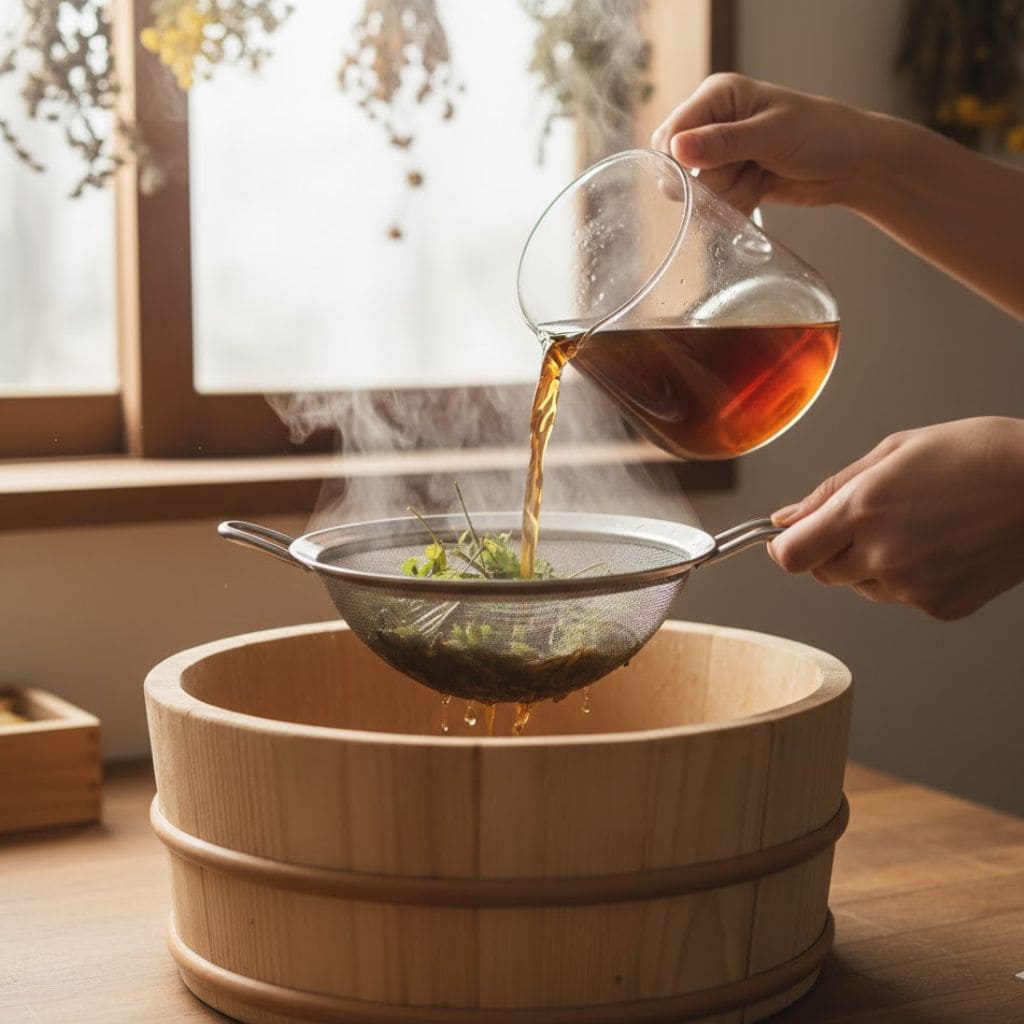
For fifteen minutes, I allow the warmth to rise through my legs while the subtle aroma fills the room.
Around the eighth or ninth minute, I notice the shift. My breathing becomes slower and deeper. The subtle tension behind my eyes softens. My shoulders lower without conscious effort.
Since adopting this habit, my evenings feel more intentional. I fall asleep more easily. I wake with less residual tension in my neck and shoulders.
I am less reactive the following morning when the day begins quickly with school routines.
Safety and Moderation
I use this soak only twice a week because moderation matters. Wormwood is powerful, even externally.
I avoid using it if I have any open cuts or skin irritation, and I would never recommend it during pregnancy due to thujone content.
The key is dilution and heat, not concentration. It is about combining gentle chemistry with warmth and stillness.
Why I Keep This Habit
In motherhood, evenings often dissolve into preparation for the next day.
There is always something left undone. But this fifteen-minute ritual reminds me that my nervous system deserves closure before sleep.
What began in a small spa room in Asia became a practice rooted in science and consistency here in New Jersey.